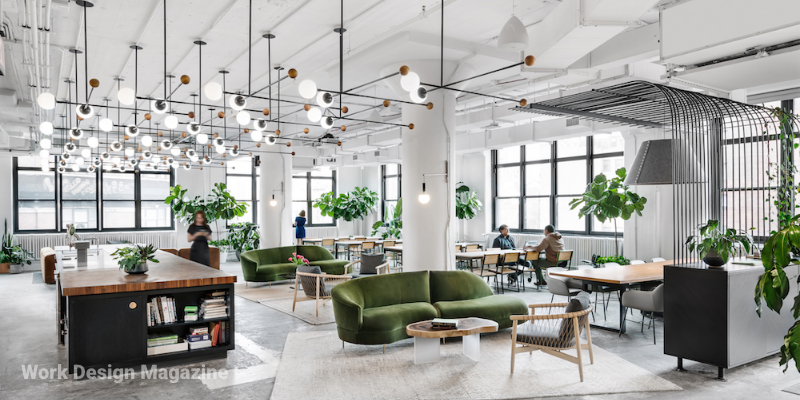
The buzz of a full office is gone. In its place, you have quiet days with empty desks and a few team members trying to connect with colleagues on a grainy video call. You’re paying for space that isn’t being used, and your team is telling you the office just isn’t worth the commute anymore. This is the new reality for many businesses, but it doesn’t have to be your future.
The shift to hybrid work isn’t a temporary trend; it’s a fundamental change in how we connect, create, and collaborate. This is where hybrid workspace design becomes essential. It’s not about just adding a few video cameras to old meeting rooms. It’s about creating a dynamic, intentional environment that serves both your in-office and remote employees equally.
This guide will walk you through the key elements needed to transform your office from an empty hall of desks into a vibrant hub for culture and productivity.
Why Your Old Office Layout Doesn’t Work Anymore
Traditional offices were built for one purpose: individual work at assigned desks. The hybrid model breaks this completely. Your employees now have a choice, and if the office doesn’t offer something better than their home setup—better tools, easier collaboration, or stronger social connections—they will choose to stay home.
A successful hybrid workplace recognizes this especially in organisations undertaking a regional headquarters renovation strategy where workplace design directly impacts culture and operations. It’s a space designed around activities, not assigned seats. It supports different work styles and makes in-person time purposeful, creating an experience that people want to be a part of.
The Pillars of Effective Hybrid Workspace Design
Creating a great hybrid office isn’t about one single change. It’s about bringing together several key elements that work in harmony. Think of it as building a small, dynamic neighborhood within your office walls, where every space has a clear purpose. Here are the core pillars to focus on.
1. A Mix of Work Zones for Every Task
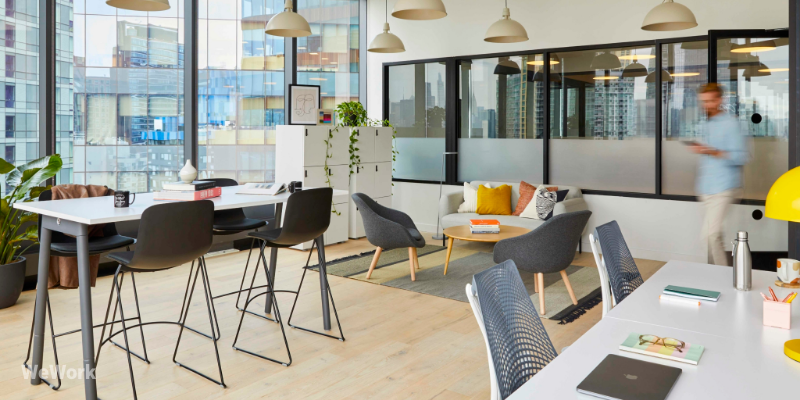
The most important shift in hybrid design is moving away from a one-size-fits-all approach. People need different environments for different tasks throughout the day. Your layout should support this with a variety of dedicated zones.
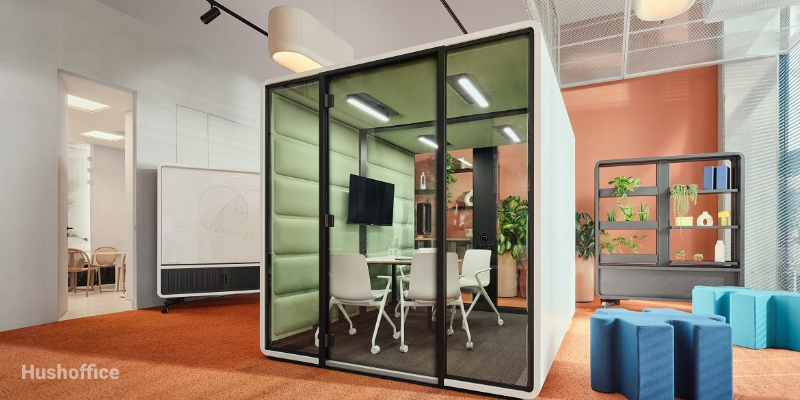
- Focus Zones: These are quiet, private spaces for concentrated work. Think individual pods, quiet rooms, or library-style areas where employees can escape distractions and dive deep into a task without interruption.
- Collaboration Zones: These are the heart of the hybrid office. They are open, energetic areas designed for teamwork. This includes rooms with interactive whiteboards for brainstorming, comfortable lounge areas for informal chats, and project tables where teams can gather.
- Social Spaces: An office should do more than just support work; it must foster connection and community. A well-designed kitchen, a comfortable café area, or a lounge space gives people a place to build relationships, share ideas informally, and strengthen company culture.

2. Flexible and Adaptable Spaces
In a hybrid model, you can’t predict how many people will be in the office on any given day, which makes phased office renovation planning essential when upgrading your workspace. That’s why flexibility is essential. Your space must be able to adapt to changing needs.
- Adaptable Furniture: Use modular sofas, movable walls, and lightweight tables and chairs. This allows a space to transform from a team meeting area in the morning to a client presentation space in the afternoon. Height-adjustable desks also support employee wellbeing by giving people the choice to sit or stand.
- Multi-use Rooms: Design spaces that can serve more than one purpose. A large café area can double as a space for company-wide town halls. A training room could be reconfigured for project-based teamwork. This helps you get the most value out of every square foot.

3. Technology for Seamless Collaboration
Technology is the glue that holds a hybrid team together. It ensures that remote employees are just as involved and effective as those in the office.
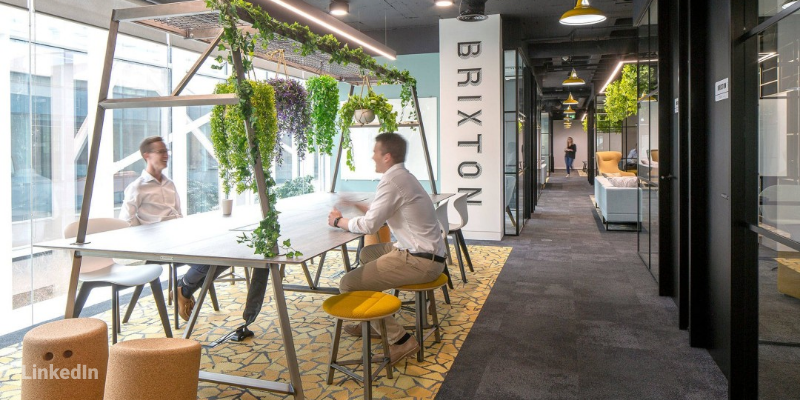
- Smart Meeting Rooms: Every meeting room needs high-quality cameras, microphones, and large screens to create an equitable experience. The goal is for remote participants to feel like they are in the room. This includes features like smart cameras that automatically focus on the person speaking.
- Easy Booking Systems: With unassigned desks and rooms, a simple booking system is a must. An intuitive app that lets employees reserve a desk, a focus pod, or a meeting room removes frustration and helps teams plan their in-office days.
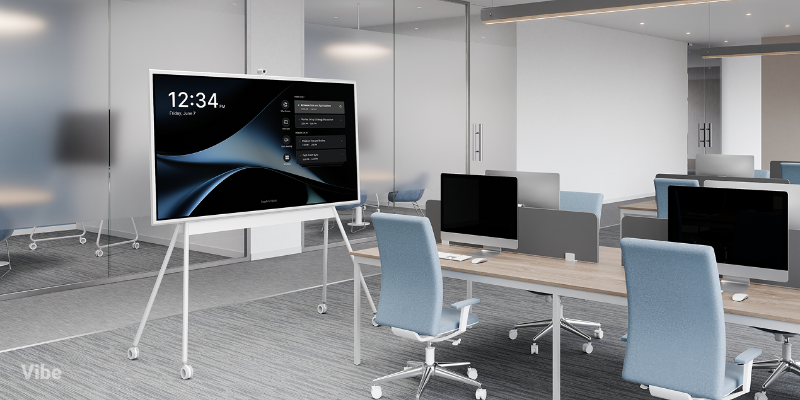
- Digital Collaboration Tools: Tools like interactive whiteboards (such as the Vibe Board) allow in-person and remote team members to brainstorm on the same digital canvas in real time, breaking down physical barriers.

4. A Focus on Employee Wellbeing
To make the office worth the commute, it needs to be a place that supports the health and happiness of your team — a principle that sits at the core of any wellness-focused office renovation strategy. This goes beyond just providing a desk.
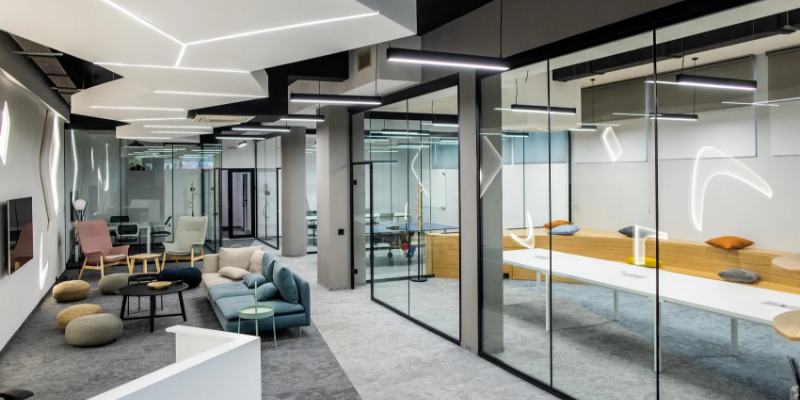
- Healthy Environments: Prioritize natural light, good air quality, and comfortable temperatures. Adding plants and natural materials through biophilic design has been shown to reduce stress, improve creativity, and enhance overall workplace satisfaction.
- Wellness Rooms: Consider adding a dedicated space for employees to rest, meditate, or simply step away from their work for a few minutes. This shows you care about their mental and physical health.
- Comfortable Furnishings: From ergonomic chairs to soft seating in lounge areas, comfort is key. An uncomfortable environment is a major reason employees would rather stay home.

5. Data-Driven Space Management
How do you know if your new design is working? You need to measure it. Using data helps you understand how your space is actually being used so you can make smart decisions.

- Space Utilization Analytics: Sensors and software can show you which desks, rooms, and zones are most popular and which are underused. This data is gold. It can help you decide if you need more focus pods or fewer large conference rooms.
- Employee Feedback: The best data comes directly from your team. Regularly ask for feedback through surveys and conversations. What’s working? What isn’t? This continuous improvement loop ensures your office evolves with your team’s needs.

6. Fostering Culture and Connection
Finally, the hybrid office should be the center of your company culture. It’s the place where new hires are onboarded, where mentors guide their teams, and where spontaneous conversations spark new ideas. Your design should intentionally create opportunities for these interactions to happen. This reinforces a sense of belonging and purpose that can be difficult to build through screens alone.
Evolving Your Workspace for the Future
Creating a successful hybrid office is an ongoing process. It’s about building a space that is flexible, human-centered, and ready to adapt. By focusing on these key elements, you can design a workplace that not only supports productivity but also strengthens your culture and makes your office a true destination for your team.
Are you ready to create a workspace that inspires your team and adapts to the future of work? At Ad-Evo, we believe that great design is about more than just aesthetics; it’s about creating purposeful environments that evolve with your business.
Plan your next home renovation with us
Explore our services and portfolio to see how we support homeowners at every stage of their renovation journey.
Ready to take the next step? Contact us for a consultation and let’s turn your renovation ideas into a space that feels truly yours, while meeting all of Singapore’s housing requirements.
What is the main goal of a hybrid workspace design?
The main goal is to create an intentional environment that supports both in-office and remote employees equally, focusing on flexibility, collaboration, and employee wellbeing.
Why is a mix of work zones important?
A mix of zones—like focus pods, collaboration areas, and social spaces—is important because it allows employees to choose the right environment for their specific task, whether it’s deep concentration or group brainstorming.
What kind of technology is essential for a hybrid office?
Essential technology includes high-quality video conferencing equipment in meeting rooms, an intuitive desk and room booking system, and digital collaboration tools like interactive whiteboards.
How does flexible furniture help in a hybrid office?
Flexible and modular furniture allows spaces to be easily reconfigured for different activities, such as changing a lounge area into a presentation space, maximizing the utility of the office.
What are “focus zones” in a hybrid layout?
Focus zones are quiet, private spaces like individual pods or library-style areas designed for concentrated work, allowing employees to escape noise and distractions.
Why is employee wellbeing a key element of hybrid design?
Focusing on wellbeing—through natural light, comfortable furniture, and wellness rooms—helps make the office an attractive destination that employees want to come to, improving satisfaction and retention.
How do booking systems work in a hybrid office?
Booking systems are apps or software that allow employees to reserve a workstation, private room, or other office resource ahead of time, which helps manage flexible seating and reduces conflicts.
What is the role of social spaces in a hybrid workplace?
Social spaces like cafés or lounges are designed to foster informal connections, build community, and strengthen company culture, which are all vital for a distributed team.
How can I know if my hybrid office design is effective?
You can measure effectiveness by using space utilization analytics to see how areas are being used and by regularly collecting employee feedback to understand what is working and what needs improvement.
What is “biophilic design” and how does it relate to a hybrid office?
Biophilic design is the practice of incorporating nature into the built environment, such as by adding plants. It is used in hybrid offices to reduce stress, boost creativity, and improve overall employee wellbeing.