


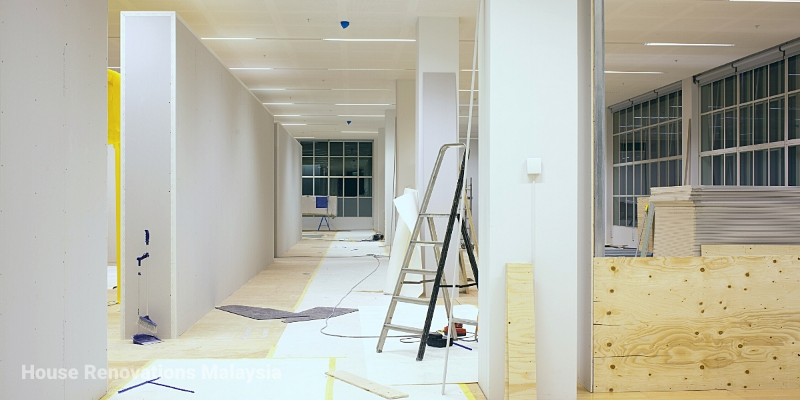
Thinking about renovating your regional HQ office in Singapore? A large-scale office renovation in Singapore isn’t just about aesthetics — it’s a strategic business investment. This isn’t just about picking out new furniture or a fresh coat of paint. You’re shaping the heart of your company’s regional presence. It’s a massive undertaking, filled with high stakes, big decisions, and a complex web of regulations. This project is a turning point, a chance to create a space that energizes your team, wows your clients, and drives your business forward.
Your office is where your culture comes to life. It’s the first impression you make on a future business partner and the daily reality for your most valuable asset: your people. A successful renovation can boost productivity, attract top talent, and become a physical statement of your brand’s ambition. An unsuccessful one can lead to budget overruns, operational headaches, and a space that misses the mark.
This guide is designed to walk you through the entire process. We’ll look at the latest design trends, break down the confusing regulatory requirements, and share tips for making your project a success.
More Than a Facelift: Why Your HQ Renovation Matters
A strategic renovation is an investment in your company’s future. In today’s competitive market, your office space plays a huge role in business success. It’s no longer just a place to work; it’s a tool for growth.
Here’s why it’s so important:
- Attract and Keep Top Talent: The modern workforce cares deeply about its environment. Research from Randstad shows that 69% of Singaporean workers prioritize work-life balance. A well-designed office that supports well-being is a powerful recruiting tool. In fact, one study found that office design influences the employment decisions of 33% of workers.
- Boost Productivity and Well-being: Thoughtful design choices directly affect how your team feels and performs. A Gensler workplace survey found that focused work is the top reason employees value coming into the office. Providing a mix of collaborative zones and quiet focus rooms can meet everyone’s needs.
- Strengthen Your Brand Identity: Your regional HQ is a three-dimensional representation of your brand. It should tell your company’s story to every employee, client, and visitor who walks through the door. A great design reflects your corporate culture and business strategy — which is why professional commercial interior design in Singapore plays a crucial role in shaping your regional HQ.
Key Design Trends for the Modern Regional HQ
To create an office that feels current and future-ready, consider these leading design trends shaping Singapore’s corporate spaces.
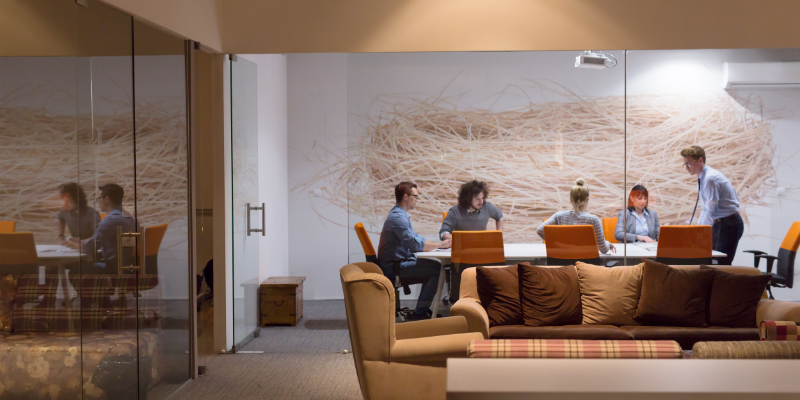
Hospitality-Inspired Comfort
The best modern offices feel less like a corporate building and more like a boutique hotel or a cozy café. Think welcoming reception areas, comfortable lounges, and café-style pantries. These spaces encourage informal interactions and make employees feel valued and comfortable.

Biophilic Design: Beyond Just Plants
Biophilic design is about connecting people with nature. This goes far beyond placing a few potted plants around the office. It involves:
- Maximizing natural light
- Using natural materials like wood and stone
- Improving air quality
- Providing views of the outdoors
The benefits are clear. Research shows that offices with natural elements see a 15% increase in well-being and a 6% improvement in productivity. Cornell University also found that workers near windows experienced 84% fewer headaches and eyestrain symptoms.

Flexible Spaces for Hybrid Work
Hybrid work is here to stay. Your office needs to support a team with varying schedules and work styles. This means creating “ultra-flexible” layouts with:
- Hot-desking systems instead of assigned seats.
- Modular furniture that can be easily reconfigured.
- Digital collaboration spaces with top-notch tech for seamless meetings between in-person and remote team members.
- Phone booths and focus rooms for private calls and deep work.

Sustainability and ESG Goals
For a regional HQ, showing a commitment to environmental, social, and governance (ESG) goals is vital. Your renovation can support this by using sustainable, low-carbon construction materials. Using local suppliers for materials like bamboo or reclaimed wood not only reduces your carbon footprint but can also provide better long-term support.

Navigating Singapore’s Regulatory Gauntlet
Here’s where many renovation projects get stuck. Singapore has strict building codes. Failing to get the right permits can cause major delays and fines. While your renovation partner will handle the details, it helps to understand the key players.
Assembling Your A-Team: The Qualified Person (QP)
For almost any significant renovation, you must hire a Qualified Person (QP). This is a licensed architect or professional engineer who is responsible for preparing plans and submitting them to the authorities for approval. They are your essential guide through the regulatory process.
The Alphabet Soup of Approvals
Your QP will help you get approvals from several government agencies, including:
- URA (Urban Redevelopment Authority): Confirms that the intended use of your space (e.g., “office”) is permitted.
- BCA (Building and Construction Authority): Approves building plans, especially for structural changes, fire safety systems, and accessibility. You’ll need BCA approval for things like moving load-bearing walls or modifying washrooms, but not for simple cosmetic changes like painting or new flooring.
- SCDF (Singapore Civil Defence Force): Reviews and approves all fire safety plans to ensure your office has proper escape routes, fire-rated doors, and emergency lighting.
- JTC (JTC Corporation): If your office is in a JTC-managed property, you will need their consent for all fitting-out works and to understand the full JTC fitting-out guidelines before you can even start.
Don’t Forget the Landlord
Before any work begins, you also need written consent from your building’s management (MCST) or your landlord. They will have their own set of rules, especially regarding work hours and noise.
Planning for a Successful Renovation Project
With a clear vision and an understanding of the rules, you can focus on execution.
What’s a Realistic Timeline?
A typical office renovation project in Singapore can take several months. While every project is different, a general timeline looks like this:
- Design and Planning: 2–4 weeks
- Permit Approvals: 2–5 weeks (can be longer)
- Construction and Hacking: 4–8 weeks
- Finishes and Handover: 2–4 weeks
Common delays are often caused by permit bottlenecks or mid-project design changes, so clear planning is key. An unsuccessful renovation can also lead to budget overruns — which is why understanding the typical office renovation cost in Singapore is critical before committing to a regional HQ upgrade.
Choosing a Partner, Not Just a Contractor
For a regional HQ renovation, you need more than just a builder. You need a strategic partner who understands the bigger picture. Look for a firm with:
- Proven Experience: Ask to see their portfolio of similar-sized corporate or regional HQ projects.
- A Collaborative Approach: They should listen to your goals for your brand, your people, and your business.
- Strong Project Management: A single point of contact who manages everything from design to handover prevents confusion and ensures accountability.
- Accreditation: Look for contractors with certifications from bodies like CaseTrust or BCA.
Conclusion
Renovating your regional HQ in Singapore is a journey that goes far beyond construction. It’s a strategic move to build your brand, empower your people, and create a foundation for future growth. By blending forward-thinking design with a deep understanding of Singapore’s regulatory landscape, you can create a workspace that is both inspiring and functional.
The key is to find a partner who sees your vision. With the right team, you can turn a complex project into a rewarding one, resulting in an office that truly reflects your company’s identity and sets you up for success in the years to come. Your new headquarters can become a place where your team thrives and your business flourishes.
Plan your next home renovation with us
Explore our services and portfolio to see how we support homeowners at every stage of their renovation journey.Ready to take the next step? Contact us for a consultation and let’s turn your renovation ideas into a space that feels truly yours, while meeting all of Singapore’s housing requirements.


