


You know the sound. The constant hum of the air-con, the chatter from the sales team, the clatter of keyboards, and the endless ring of phones. In a busy Singapore office, this background noise isn’t just an annoyance; it’s a barrier to focus and productivity. As companies adapt to evolving office renovation trends, acoustic performance is becoming a central design priority rather than an afterthought. If you’ve ever struggled to hear a client on the phone or found your concentration shattered by a nearby conversation, you’re not alone.
The good news is that you don’t have to put up with it. Effective office soundproofing solutions in Singapore are about more than just finding silence. When planned properly as part of a larger office renovation in Singapore, acoustic upgrades can be seamlessly integrated into your overall workspace transformation. They are about creating a workspace where your team can concentrate without distraction, collaborate clearly, and feel more comfortable and less stressed.
This guide will walk you through the practical ways you can manage noise in your office. We’ll look at everything from special panels and partitions to smart layout choices that can completely change your work environment for the better.

In a competitive environment like Singapore, every ounce of productivity counts. A noisy office directly impacts the bottom line. When your team can’t focus, work quality suffers and deadlines slip.
A well-designed acoustic environment isn’t a luxury; it’s a fundamental part of a high-performing workspace. It helps to:
Workplace design standards in Singapore are guided by agencies like the Building and Construction Authority, which emphasise indoor environmental quality as part of sustainable building practices.
Before we explore the solutions, it’s helpful to understand a key difference. Many people use “soundproofing” as a catch-all term, but it has a specific meaning.
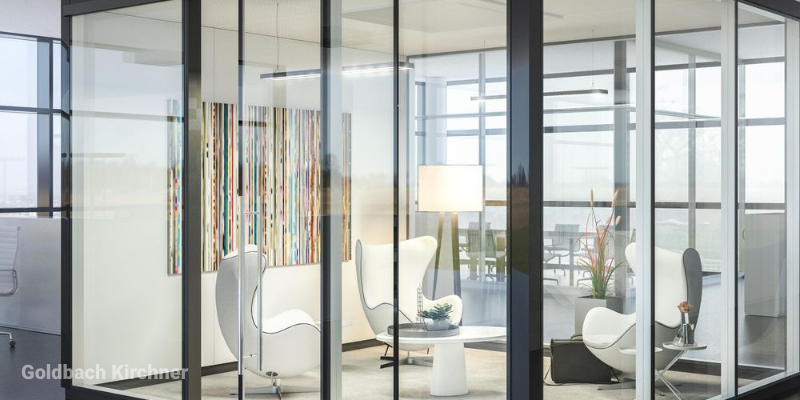
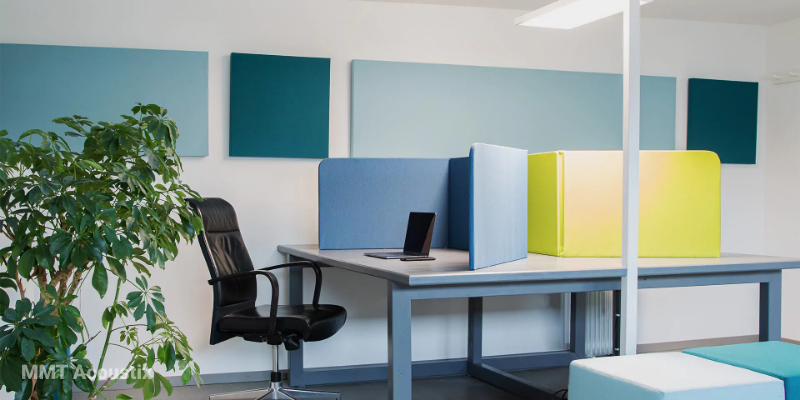
For the best results, you often need a combination of both. A deeper understanding of office acoustics allows companies to choose the right balance between sound absorption and sound isolation.
Creating a quieter office involves using a range of tools and techniques. The right mix depends on your specific space, challenges, and goals.
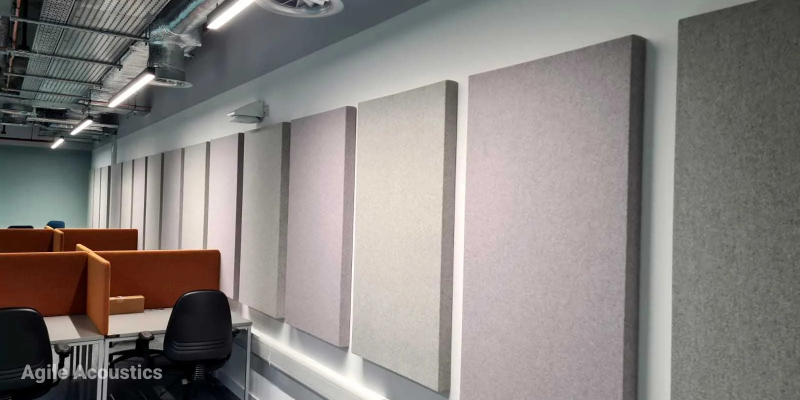
If your office has a problem with echo and sounds that seem to bounce off every surface, acoustic panels are your best friend. They are made from sound-absorbing materials and are an easy and stylish way to improve a room’s sound quality.
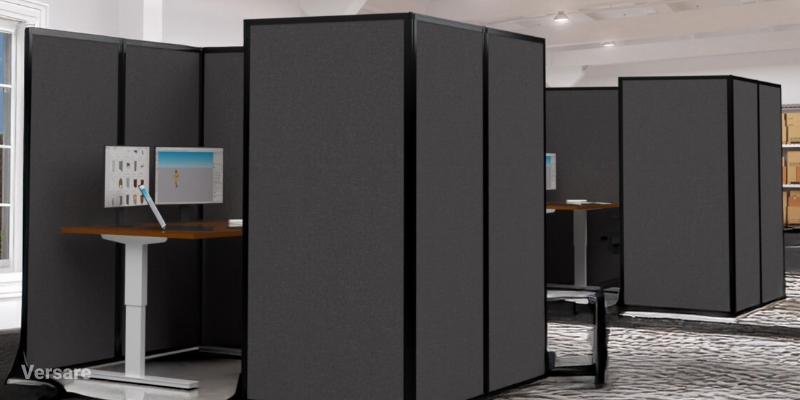
Open-plan offices are great for collaboration, but they create a major challenge for concentration. Partitions are the solution to help balance collaboration with the need for concentration.
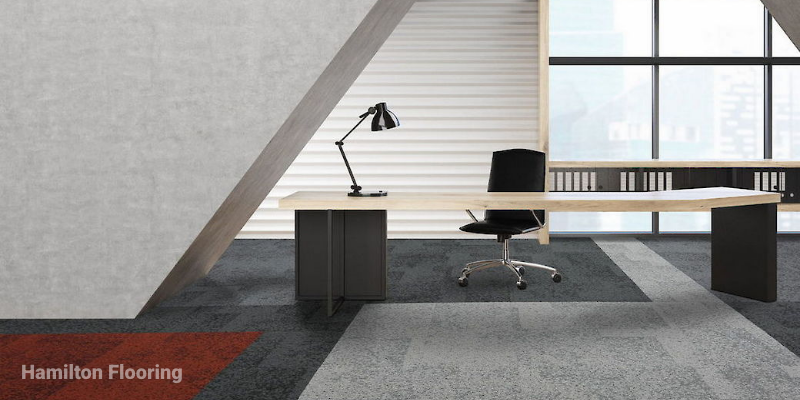
Sound doesn’t just travel sideways; it moves up and down. In multi-level offices, floor and ceiling treatments are essential to reduce noise transmission between floors.
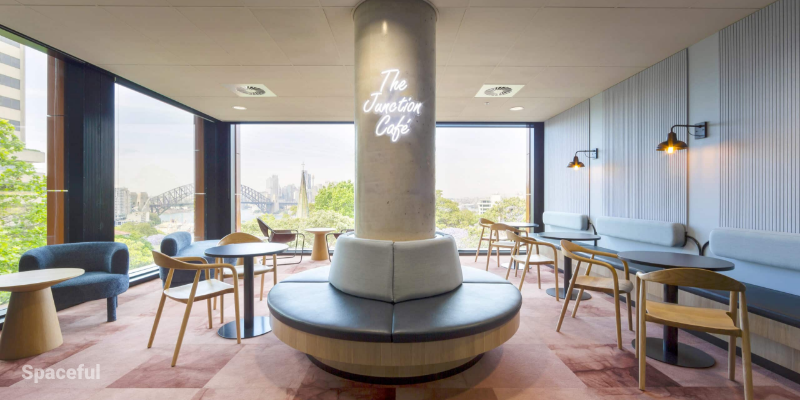
Sometimes the simplest solutions are the most effective. When combined with sensor-driven zoning and booking systems, these layout strategies also complement a smart office renovation approach. How you arrange your office can have a big impact on noise levels.
The most effective office acoustic treatment doesn’t rely on a single product. To ensure minimal downtime during installation, it’s important to understand how to plan an office renovation without disrupting work before implementing structural soundproofing solutions. It comes from a thoughtful plan that combines multiple solutions. A professional acoustic assessment can identify your biggest problem areas by measuring noise levels and sound transmission.
This helps you choose the right high-performance materials (often with specific NRC and STC ratings—which measure absorption and blocking, respectively) and place them where they will have the greatest effect. From there, you can build a complete solution that perfectly fits your team’s needs and your office’s design.
By taking a proactive approach to noise control, you’re not just soundproofing an office; you’re investing in a more productive, private, and pleasant work environment for everyone.
Tackling noise in your Singapore office is one of the most powerful changes you can make to improve productivity and employee well-being. The constant buzz and distraction that feel like a normal part of office life don’t have to be.
From sound-absorbing acoustic panels and clever glass partitions to simple changes in layout and furnishings, a wide range of effective solutions is available. By combining these different strategies, you can create a balanced workspace that supports both focused work and active collaboration.
Ultimately, great acoustic design turns a chaotic space into a comfortable and efficient one. It’s a purposeful investment that allows your team to do their best work, free from the stress of a noisy environment.
Explore our services and portfolio to see how we support homeowners at every stage of their renovation journey.
Ready to take the next step? Contact us for a consultation and let’s turn your renovation ideas into a space that feels truly yours, while meeting all of Singapore’s housing requirements.


