


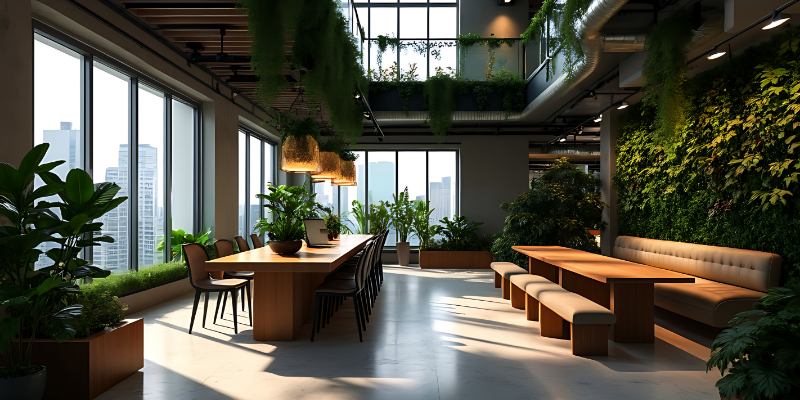
Ever feel that 4 PM slump hit hard in the office? You’re not alone. Many Singapore offices, filled with fluorescent lights and gray cubicles, can feel draining. We spend so much of our day indoors that it’s easy to feel disconnected and stressed. But what if your workspace could actually make you feel better?
That’s where biophilic office design comes in. It’s more than just putting a few potted plants on a desk. It’s a complete approach to creating a workplace that reconnects us with nature. By bringing natural elements, materials, and patterns into your office, you can create a space that reduces stress, boosts focus, and improves overall well-being. This guide will show you how to incorporate biophilic design into your Singapore office, with practical ideas that work for any space or budget.
In a high-pressure work culture like Singapore’s, employee well-being is critical for success. Biophilic design directly supports this by creating a calmer, more inspiring environment, making it a core component of any wellness-driven workplace transformation. Research shows that integrating nature into the office can increase productivity by up to 15% and improve employee satisfaction. It’s a powerful way to counter the fatigue that comes from being indoors all day.
Key Takeaway: Biophilic design isn’t just about looks; it’s a strategic investment in your team’s mental clarity, creativity, and happiness.
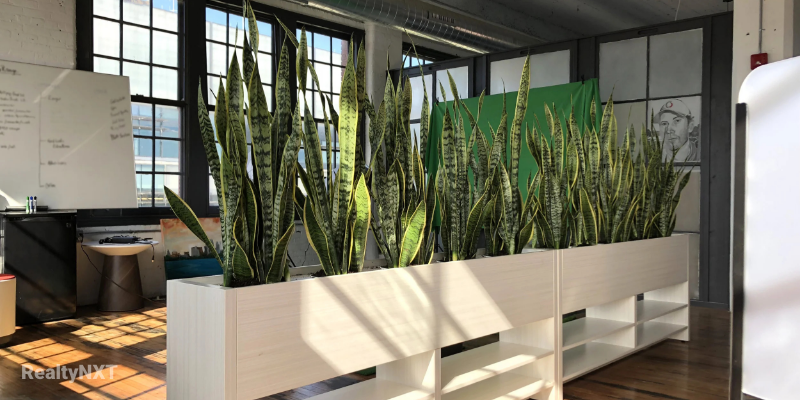
The easiest way to begin is with plants. But in a busy office, you need greenery that thrives, not just survives. For Singapore’s air-conditioned environments, certain plants are perfect.
Consider these hardy options:
You can also think bigger. Living walls or vertical gardens make a stunning visual impact, help regulate temperature, and absorb sound, which is a huge plus in open-plan offices.
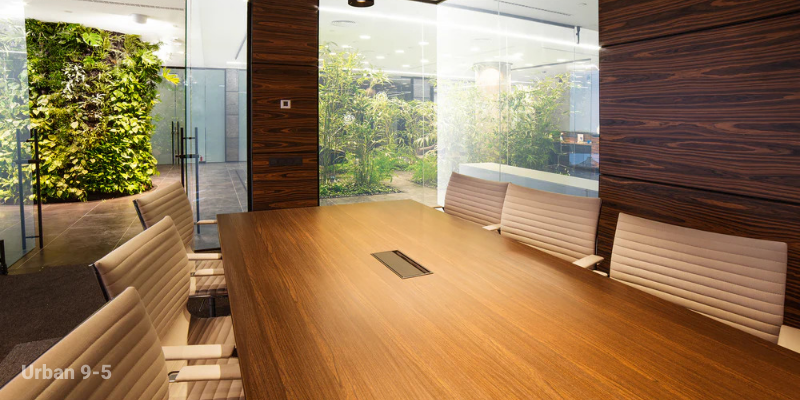
Look around your office. What do you see? Probably a lot of plastic, metal, and laminate. Biophilic design swaps these for materials that feel more grounded and serene.
Incorporate textures that remind us of the outdoors:
Even your flooring can help. Carpets with patterns that mimic flowing water, leaves, or stone can create a calming atmosphere and help define different zones in the office.
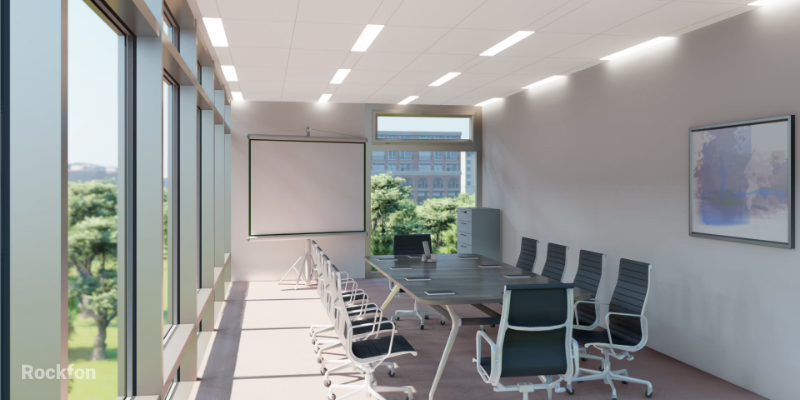
Natural light is a key element of biophilic design. It boosts mood, regulates our internal clocks, and reduces energy costs. To make the most of it, select light-colored carpets and wall paints that reflect sunlight instead of absorbing it.
What if your office has no windows? You can still simulate natural conditions especially in phased renovation projects where teams continue operating during upgrades. Use full-spectrum LED lighting that mimics the rhythm of daylight, changing in intensity and color temperature throughout the day. Glass partitions can also help light travel deeper into the office, making the space feel more open and bright.
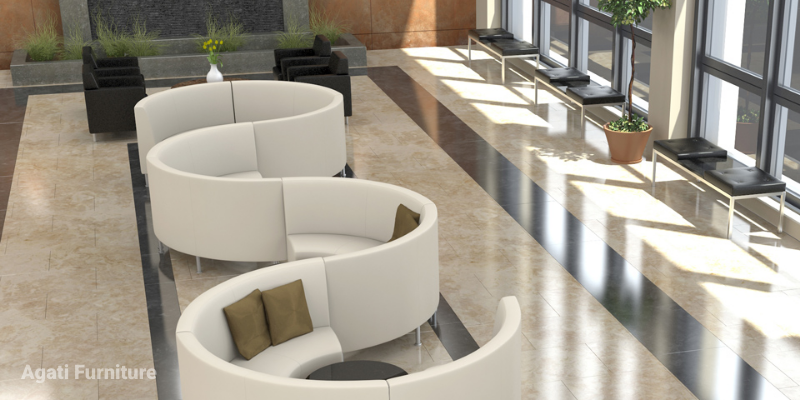
Nature isn’t built on sharp angles and straight lines. Our brains find curved, irregular shapes more soothing. You can introduce this softness into your office without major renovations, making biophilic elements an ideal enhancement during broader office renovation upgrades.
Look for:
These subtle changes can make your office feel more inviting and less rigid.
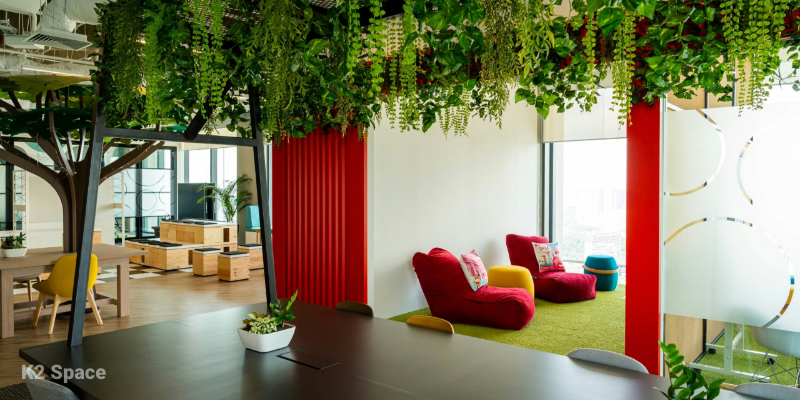
Breakout areas are where your team goes to recharge. Why not make them feel like a mini-escape? You can use natural elements to define these spaces instead of solid walls.
Try setting up a lounge area with:
Artificial grass mats or a small moss wall can also help define these zones without taking up much floor space, making them ideal for Singapore’s compact offices.
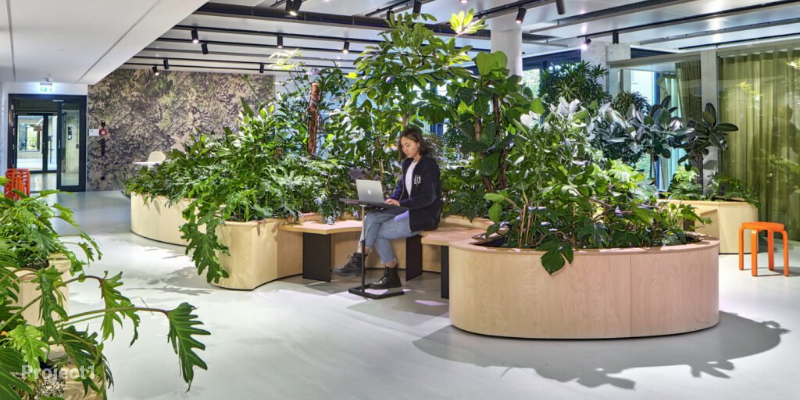
Biophilic design goes beyond what you can see. Think about the other senses to create a truly immersive experience.

Incorporating biophilic design does more than just make your office look good — it plays a strategic role in large-scale headquarters renovation projects where branding, ESG alignment, and employee experience are central priorities. It directly supports key business objectives. A beautiful, healthy workspace shows your commitment to your team, which helps attract and retain top talent.
Furthermore, many biophilic features can help you meet sustainability goals. Using natural materials, maximizing daylight, and adding greenery can contribute to certifications like the BCA Green Mark and the WELL Building Standard—important benchmarks in Singapore. These features often lead to lower energy and operational costs, particularly when integrated early in a sustainable workplace design strategy.
Bringing nature into your Singapore office is a journey, not a destination and thoughtful planning from the initial fit-out stage ensures your design decisions remain practical throughout the lease cycle. You can start small with a few low-maintenance plants or go all-in with a complete redesign. The goal is to create a space where your team feels connected, inspired, and valued. By focusing on natural light, materials, and greenery, you can build a healthier, happier, and more productive workplace.
Ready to transform your office into a space that truly works for your team? At Ad-Evo, we believe in creating purposeful designs that blend form and function. We can help you evolve your workspace into an environment that supports well-being and drives success.
Explore our services and portfolio to see how we support homeowners at every stage of their renovation journey.
Ready to take the next step? Contact us for a consultation and let’s turn your renovation ideas into a space that feels truly yours, while meeting all of Singapore’s housing requirements.


