


Remember the pre-2020 office? The low hum of activity, the rows of desks, the predictable 9-to-6 rhythm. That world feels like a distant memory. Today, many offices in Singapore feel different. Some days are buzzing, and other days are quiet, with rows of empty chairs. This is the reality of our new hybrid work culture.
This shift has sparked a major question for business leaders: is our office space still working for us? The old debate of open-plan vs. private offices suddenly feels outdated. This shift reflects broader office renovation trends in Singapore, where flexibility and adaptability are replacing rigid layouts. A purely open layout can be too distracting, while a floor full of private rooms feels isolating and inefficient when half the team is at home.
So, what’s the answer for a modern Singaporean business? It’s not about picking a side. It’s about rethinking the purpose of the office and creating a space that supports how your team works now. Let’s look at the old models and explore a better, more flexible solution.
For years, the choice seemed simple. You either went with an open-plan design or a traditional cellular layout with private offices and cubicles. Each had its clear pros and cons.
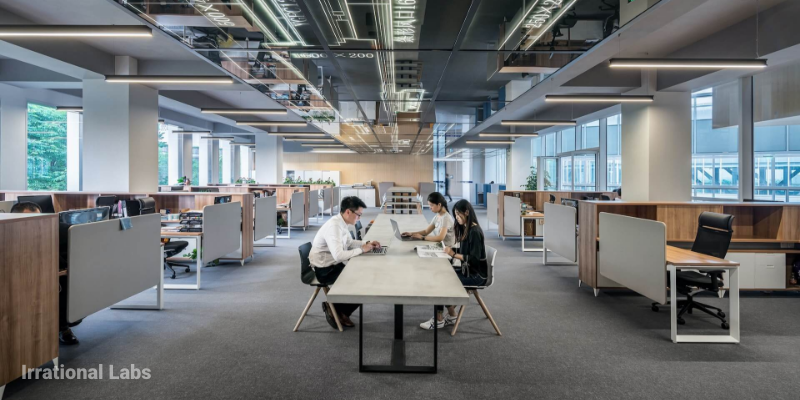
The open-plan office became a symbol of modern, forward-thinking companies. By removing walls and cubicle dividers, these spaces were designed to feel energetic and collaborative.
However, anyone who has worked in an open office knows the downsides. The constant noise and visual distractions can make it nearly impossible to concentrate on focused tasks. It’s also difficult to have a confidential conversation, which is a major problem for roles in HR or finance.
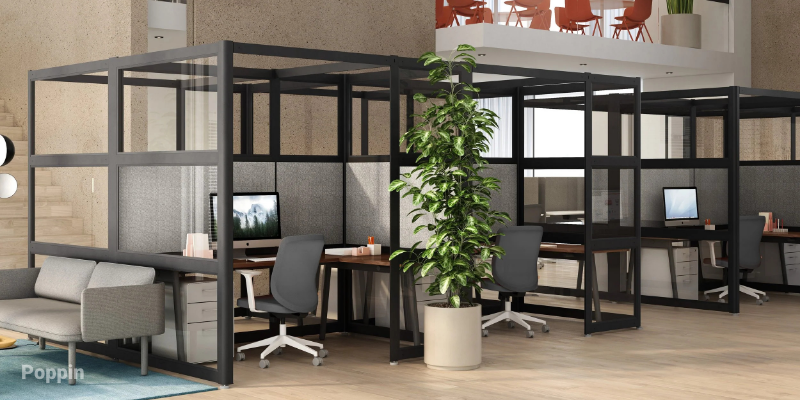
On the other end of the spectrum is the traditional cellular office. This layout gives each employee a private or semi-private space, like a cubicle or a personal room.
The trade-off, of course, is that private offices can lead to a sense of isolation. They discourage the kind of spontaneous teamwork that open plans encourage and can reinforce a feeling of hierarchy within the company.
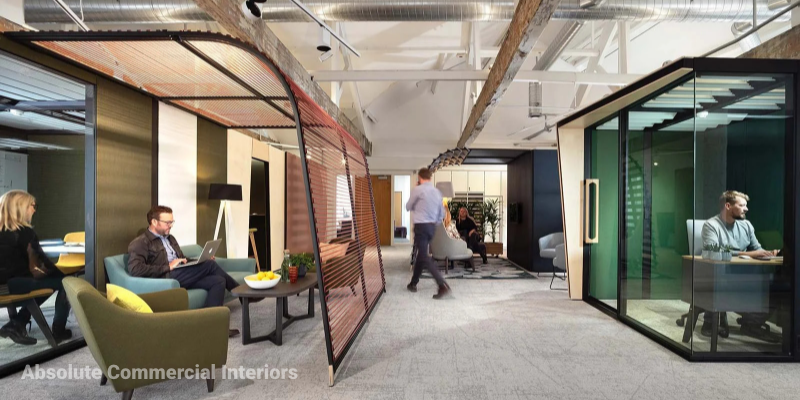
The rise of hybrid work has completely changed the game. With employees splitting their time between home and the office, neither a fully open nor a fully private layout makes sense anymore.
The reality is that on any given day, a significant portion of your desks may be empty. A fixed layout, whether open or private, leads to wasted space and an office that doesn’t serve its new purpose. In Singapore’s high-rent commercial market, poor layouts also mean paying premium rental for underutilised space — making strategic space planning for high-rent offices more important than ever.
The office is no longer just a place to work; it’s a destination for specific activities — collaboration, team-building, and focused work that requires special equipment. Furthermore, with the government’s Tripartite Guidelines on Flexible Work Arrangement Requests (TG-FWAR) taking effect, Singaporean employers need spaces that can support these new, more flexible schedules.
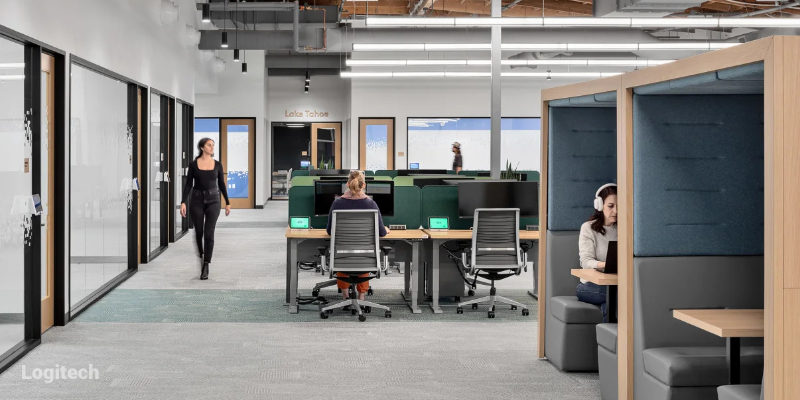
The best office design for Singapore’s hybrid work culture isn’t an “either/or” choice. It’s a “both/and” approach. The solution is a hybrid ready office layout, sometimes called a mixed or activity-based working (ABW) model.
This design philosophy moves away from assigning one desk to one person. Instead, it offers a variety of spaces, or “zones,” that employees can choose from based on the task they need to do.
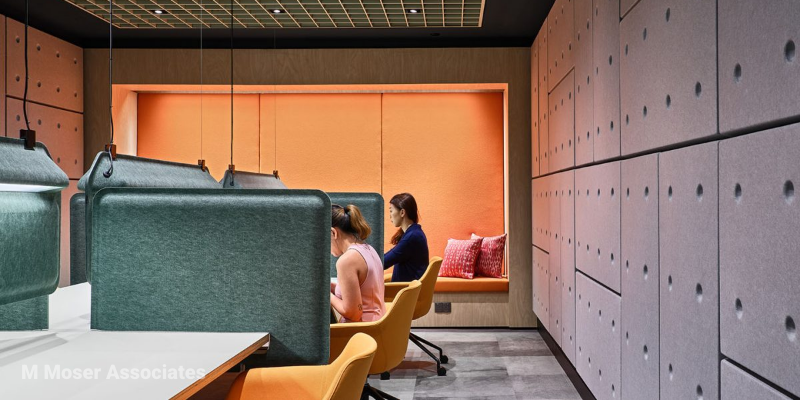
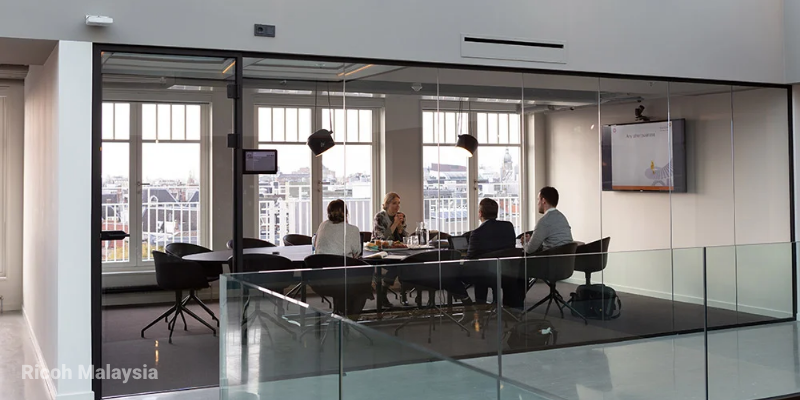
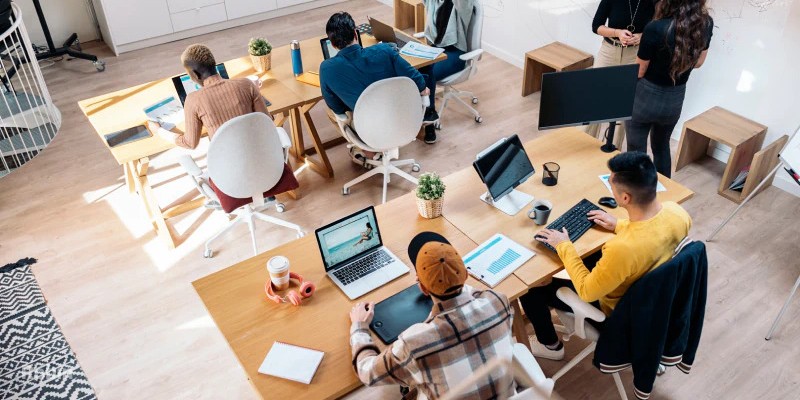
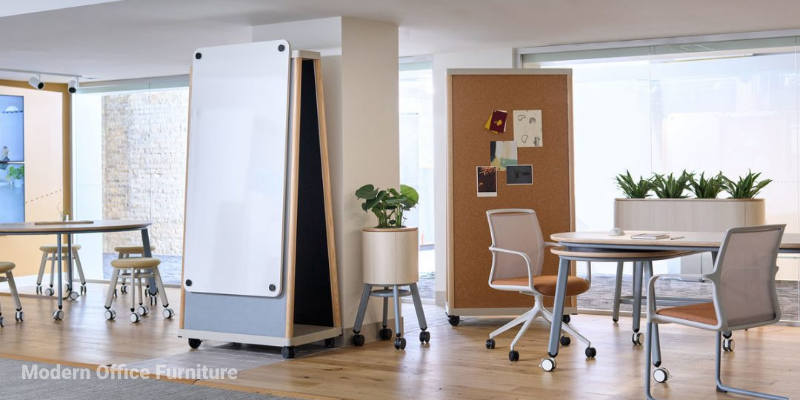
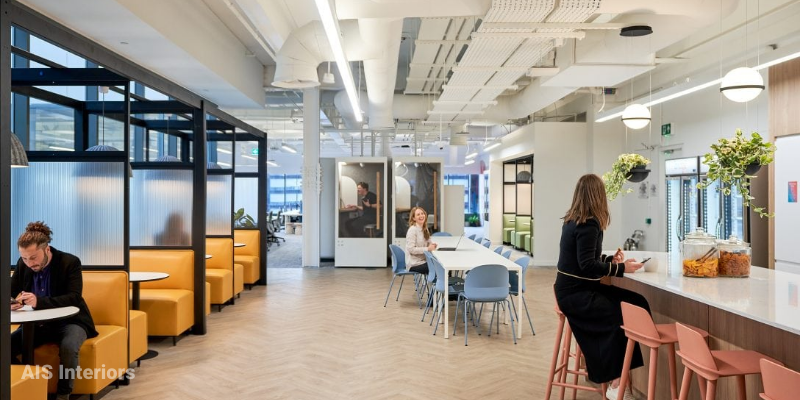
There is no universal “best” office layout. A successful office interior design comes from understanding your company’s unique culture and your team’s specific needs. A design firm may thrive with more open collaboration hubs, while a financial services company might need more secure, private zones.
Technology is also a huge piece of the puzzle. Your meeting rooms must be equipped with high-quality video conferencing tools to create a seamless experience for both in-office and remote team members. No one should feel like a second-class citizen just because they dialed in from home.
Finally, never forget about employee well-being — a priority highlighted in modern wellness-focused office renovation ideas. A great hybrid office prioritizes things like natural light, good air quality, and greenery (biophilic design). These elements are also core principles of a well-planned sustainable office renovation strategy. Providing ergonomic chairs and desks isn’t just a perk; it’s an investment in your people’s health and productivity.
The “open-plan vs. private office” debate is a relic of a past work era. For companies in Singapore navigating the new world of hybrid work, the most effective approach is a flexible, blended one. The goal is no longer to simply house employees, but to create a purposeful destination that enhances collaboration, supports deep focus, and strengthens company culture.
By designing a hybrid office layout with different zones for different activities, you create a workspace that truly works for everyone. You give your team the autonomy to choose the environment that best suits their task, boosting both productivity and job satisfaction.
Ultimately, a well-designed office shows your team that you care about their well-being and are invested in helping them do their best work, no matter where they are. It’s a physical representation of a forward-thinking, adaptable, and human-centric company culture.
Explore our services and portfolio to see how we support homeowners at every stage of their renovation journey.
Ready to take the next step? Contact us for a consultation and let’s turn your renovation ideas into a space that feels truly yours, while meeting all of Singapore’s housing requirements.


