


As your office lease comes to an end, the excitement of moving to a new space whether it’s a larger corporate office or a newly upgraded regional headquarters can be quickly overshadowed by a daunting task: reinstatement. You’ve probably heard the term, but what does it really mean for you as a tenant? It’s more than just a quick clean-up. It’s a contractual obligation that, if handled poorly, can lead to stressful disputes and the forfeiture of your entire security deposit.
But it doesn’t have to be that way. With a clear plan and the right approach, you can navigate the office reinstatement process smoothly and confidently. I’ve seen countless tenants successfully manage their lease exits, and the key is always preparation. This guide is your complete action plan. We’ll walk through everything you need to know to protect your deposit, maintain a good relationship with your landlord, and ensure a seamless transition for your business.
What Exactly is Office Reinstatement?
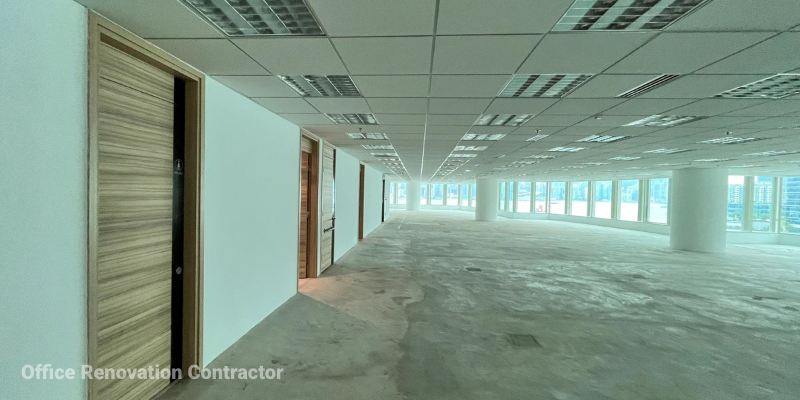
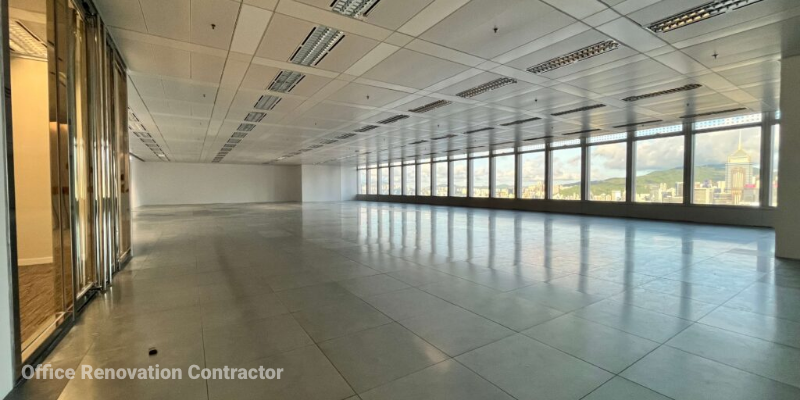
Think of it as turning back the clock on your office space. Office reinstatement is the process of returning your rented unit to its original “bare shell” condition—exactly as it was when you first received the keys. It’s not about making it look new; it’s about making it neutral for the next tenant.
This is a standard requirement in most Singapore commercial lease agreements. The landlord needs the space back in a standardized state so they can lease it out again quickly.
Key Reinstatement Works Typically Include:
- Dismantling & Demolition: Taking down any partition walls, private offices, or meeting rooms you built.
- Flooring Removal: Removing carpets, vinyl, or other flooring you installed to reveal the original subfloor.
- Ceiling and Lighting: Restoring the ceiling grid and lighting fixtures to their original layout.
- M&E Systems: Reinstating Mechanical & Electrical (M&E) systems, like air-conditioning ducts, power points, and plumbing, to their initial configuration.
- Surface Restoration: Patching holes in walls, repainting everything to the original color, and removing all signage.
- Final Cleaning: A thorough professional cleaning and disposal of all debris from the office renovation works.
The goal is to restore the office to its original condition, fulfilling your legal obligations under the lease.

Your Step-by-Step Reinstatement Action Plan
Starting early is the single most important factor for a successful reinstatement. A rushed job almost always leads to mistakes and extra charges. I recommend starting this process 3-4 months before your lease expires.
Key Takeaway: Early planning is your best defense against unexpected issues and helps you stay in control of the process.
Tip: If you’re currently planning your office design or preparing for a new fit-out, it’s wise to understand your reinstatement obligations early, as they can directly influence layout decisions and material choices.
Here is a timeline you can follow:
- Three Months Before Lease Expiry:
- Review Your Lease Agreement: Find the “reinstatement clause.” This section details your specific obligations. Look for original handover documents, photos, or floor plans.
- Initial Site Walkthrough: Walk through your office with the lease documents in hand. Make a preliminary list of everything that was changed from the original condition.
- Research Contractors: Start searching for professional reinstatement contractors in Singapore. Look for those with a strong track record, proper licensing (like BCA), and experience with commercial buildings.
- Two Months Before Lease Expiry:
- Get Quotations: Invite at least three reputable contractors for a site evaluation. Provide them with your lease agreement and original floor plans. This helps them give you an accurate scope of work.
- Select Your Contractor: Choose a contractor who communicates clearly, understands your building’s rules, and provides a detailed plan.
- Submit Plans for Approval: Your chosen contractor will help prepare and submit the necessary reinstatement plans to your building management for approval. This step is non-negotiable and can take time.
- One Month Before Lease Expiry:
- Confirm Approvals: Ensure you have written approval from the building management before any work begins.
- Schedule the Work: Coordinate the reinstatement timeline with your moving schedule. Book loading bay access and service lifts with your building management.
- Begin Reinstatement Works: The contractor will start the process of dismantling, restoring, and cleaning the premises.
- Final Week:
- Final Inspection: Once the work is complete, do a joint inspection with your contractor to ensure everything meets the lease requirements.
- Landlord Handover: Schedule the final handover inspection with your landlord or their representative. Address any of their concerns immediately. The goal is to get their sign-off and secure your full security deposit refund.
Decoding Your Lease: The Reinstatement Clause
Your tenancy agreement is the ultimate source of truth. The reinstatement clause is legally binding and outlines exactly what is expected. If this clause is unclear, it’s wise to seek clarification from your landlord in writing well before the work begins.
Key items to look for:
- The exact condition the unit must be returned to (e.g., “bare shell,” “original condition”).
- Specific requirements for M&E systems, walls, and flooring.
- Any mention of using the landlord’s approved contractor (this is rare but can happen).
Ignoring these details is a common way tenants comply with tenancy agreement terms incorrectly, leading to disputes.

Choosing the Right Reinstatement Contractor
Hiring the right partner is crucial. A general renovation firm might not have the specific expertise needed for reinstatement, which is more about careful deconstruction and restoration than building something new.
Look for a contractor who:
- Specializes in Reinstatement: They understand the unique challenges and building management protocols.
- Is Properly Licensed: A BCA-licensed contractor ensures work is done to code and safely.
- Manages Everything: A one-stop contractor can handle demolition, M&E works, painting, and submissions, saving you from coordinating multiple vendors.
- Communicates with Building Management: An experienced contractor will liaise directly with building management to handle permits and approvals, a huge time-saver for you.

Common (and Costly) Tenant Mistakes to Avoid
Over the years, I’ve seen a few common missteps that can jeopardize a smooth handover. Here’s how you can avoid them:
- Starting Too Late: This is the #1 mistake. It limits your choice of contractors and can lead to rush charges.
- Ignoring M&E Works: Simply removing walls isn’t enough. Air-con ducting, sprinklers, and electrical wiring must be restored to their original layout. Skipping this is a frequent reason for failing the handover inspection.
- Not Documenting the Original Condition: Without photos or plans of the original state, you are negotiating from a position of weakness if disputes arise.
- Hiring an Unlicensed Contractor: This can lead to non-compliant work, safety issues, and potential damage to the building, leaving you liable for rectification costs.
By being aware of these pitfalls, you can actively steer clear of them and prevent any issues that might lead to security deposit forfeiture.
Budgeting accurately is critical, as reinstatement costs can vary significantly depending on the extent of demolition, M&E reinstatement, and building management requirements.
Conclusion
Office reinstatement in Singapore might seem like a complex hurdle at the end of your lease, but it is entirely manageable with the right knowledge and preparation. The process is a clear, contractual obligation designed to create a fair and efficient transition between tenants. By understanding your responsibilities, planning well in advance, and engaging a professional partner, you transform this task from a source of stress into a simple, final step in your business journey.
Remember, the objective is a clean exit. You want to hand back the keys with confidence, knowing you have fulfilled your duties and protected your financial interests. This allows you to focus on what truly matters: settling into your new office, managing the renovation process smoothly, and ensuring daily operations remain uninterrupted during the transition. A smooth handover not only secures your deposit but also preserves your professional reputation.
Following the steps in this guide will put you in a strong position to avoid costly disputes with the landlord and complete your lease term on a positive note. Treat reinstatement not as a burden, but as the final, professional act of your tenancy.
Ready for a Flawless Handover?
Navigating reinstatement requirements can be complicated, but you don’t have to do it alone. At Ad-Evo, we specialize in purposeful design and seamless transitions. Let us manage the entire process, from lease review to landlord handover, ensuring you meet every obligation and secure your deposit.
Plan your next home renovation with us
Explore our services and portfolio to see how we support homeowners at every stage of their renovation journey.
Ready to take the next step? Contact us for a consultation and let’s turn your renovation ideas into a space that feels truly yours, while meeting all of Singapore’s housing requirements.


