


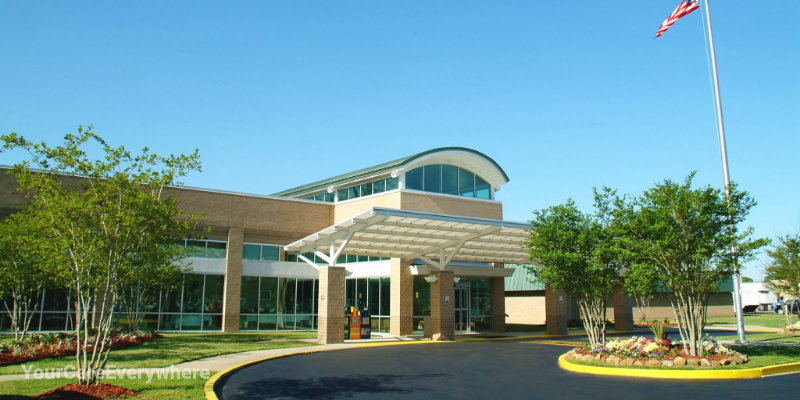
When Mercy Regional Medical Center faced a critical compliance crisis threatening their operating license, they discovered that aesthetically-focused renovations would create more problems than solutions. The 180-bed facility needed to address multiple regulatory violations within six months while maintaining full patient operations. Their story shows how an integrated Healthcare Compliance Renovation approach systematically resolved each compliance requirement while generating measurable operational improvements.
Healthcare facilities across the country face mounting regulatory pressures. With renovation work comprising 65 percent of healthcare construction activity, most providers are grappling with aging infrastructure that struggles to meet evolving standards. The stakes couldn’t be higher—non-compliance can result in fines reaching $150,000 for repeat violations, while retrofit costs often exceed initial integration expenses by ten times.

Mercy Regional’s problems began during a routine state inspection that uncovered violations across four critical areas. The facility’s existing infrastructure, built in phases over three decades, failed to meet current accessibility standards, infection control requirements, fire safety codes, and patient privacy regulations.
The accessibility violations were the most severe. Patient room doorways measured just 30 inches wide, falling short of the required 32-inch minimum for wheelchair access. Bathroom configurations lacked proper clearance zones and support handles mandated by ADA standards. The facility’s main corridor system included a bottleneck area where width dropped to 6 feet—well below the 8-foot requirement for hospital corridors handling gurney traffic.
Infection control deficiencies posed immediate operational risks. The HVAC system couldn’t maintain proper negative pressure in isolation rooms. Surface materials throughout patient areas included porous finishes that harbored pathogens. The layout created problematic intersections where clean and contaminated workflows crossed, violating fundamental infection prevention protocols.
Fire safety violations compounded the crisis. Exit routes included a stairwell that had been partially enclosed during a 1990s renovation, reducing egress capacity below code requirements. Emergency lighting systems failed to provide adequate coverage in critical areas. The nurse station placement blocked clear sight lines to patient rooms, hampering emergency response capabilities.
“We realized that cosmetic updates wouldn’t solve fundamental compliance problems. We needed systematic solutions that addressed root causes, not just surface issues.” — Dr. Sarah Chen, Chief Medical Officer, Mercy Regional Medical Center
Patient privacy violations rounded out the regulatory challenges. Nurse stations provided insufficient visual barriers for confidential consultations. Sound transmission between patient rooms exceeded HIPAA-compliant levels. The registration area lacked proper screening for sensitive financial discussions.

Rather than pursuing separate aesthetic and compliance projects, Mercy Regional chose an integrated design-build approach that treated regulatory requirements as primary design drivers. This methodology brought architects, engineers, contractors, and compliance specialists together from project initiation, creating a collaborative framework for systematic problem-solving.
The team began with comprehensive regulatory mapping, identifying every applicable standard and code requirement. They discovered that traditional approaches would require extensive demolition and reconstruction, with costs exceeding $8.2 million and timeline extending 14 months. The integrated methodology enabled alternative solutions that addressed multiple compliance areas simultaneously.
For accessibility violations, the design-build team developed creative space reallocation strategies. Instead of demolishing walls to widen doorways, they reconfigured adjacent spaces to create compliant circulation paths. Patient bathrooms received targeted modifications using prefabricated accessible units that installed within existing footprints. The corridor bottleneck was eliminated by relocating a supply closet and adjusting the nurse station configuration.
Infection control improvements involved strategic systems integration. The team installed a new HVAC design with zone-specific pressure control, addressing negative pressure requirements while improving overall air quality. They specified antimicrobial surface materials that met both durability and aesthetic standards. Workflow analysis led to subtle layout modifications that separated clean and contaminated pathways without major structural changes.
Fire safety compliance required coordinated structural and systems work. The team opened the enclosed stairwell by installing a compliant fire-rated glass system that maintained visual openness while meeting egress requirements. Emergency lighting received comprehensive upgrades using energy-efficient LED systems that provided required coverage levels. Nurse station modifications improved sight lines through strategic equipment placement and height adjustments.
The integrated approach enabled early identification of potential conflicts between different code requirements. When accessibility modifications conflicted with fire safety egress calculations, the team developed solutions that satisfied both standards simultaneously. This prevented costly redesign cycles that plague traditional project delivery methods.

The strategic renovation approach delivered comprehensive compliance resolution within the critical six-month deadline. All regulatory violations were eliminated, with the facility receiving full approval during follow-up inspections. The integrated methodology achieved these results at $4.7 million—43% below the traditional approach estimate.
Accessibility improvements exceeded minimum requirements while enhancing operational efficiency. Wheelchair navigation times between key departments decreased by 28%. Patient satisfaction scores for physical accessibility increased from 3.2 to 4.6 out of 5. The wider corridors improved staff efficiency, reducing equipment transport times by 22%.
Infection control upgrades generated immediate measurable benefits. Healthcare-associated infection rates dropped 34% within six months of completion. The improved HVAC system maintained consistent negative pressure in isolation rooms, with zero violations during subsequent inspections. Surface contamination levels decreased 41% based on quarterly environmental testing.
Fire safety enhancements strengthened emergency preparedness capabilities. Evacuation drill times improved by 18% due to better egress routes and visibility. The upgraded emergency lighting system eliminated all previous deficiency areas. Staff reported increased confidence in emergency procedures, with 94% rating the new safety features as “significantly improved.”
“The integrated approach didn’t just solve our compliance problems—it improved our daily operations in ways we hadn’t anticipated. Patient flow is smoother, staff efficiency is higher, and we’re prepared for future regulatory changes.” — Mark Rodriguez, Facilities Director, Mercy Regional Medical Center
Patient privacy compliance created unexpected operational advantages. The redesigned nurse stations improved workflow efficiency while providing proper confidential consultation areas. Sound transmission improvements led to better patient rest quality, with noise complaint incidents dropping 67%. Registration area modifications reduced patient wait times by 12% through better traffic flow management.
The renovation’s financial impact extended beyond compliance cost avoidance. Improved operational efficiency generated $340,000 in annual savings through reduced maintenance requirements, lower energy consumption, and decreased liability insurance premiums. Patient volume increased 8% as word spread about the facility’s improved capabilities and patient experience.

The success factors from Mercy Regional’s compliance transformation provide a roadmap for other healthcare facilities facing similar challenges. Early integration of compliance requirements into design development prevents costly retrofits and ensures systematic problem-solving approaches.
Comprehensive regulatory mapping at project initiation identifies all applicable standards and potential conflicts between different code requirements. This upfront investment prevents surprises during construction and enables creative solutions that address multiple compliance areas simultaneously.
Collaborative team structures that include compliance specialists, medical staff, and facilities managers ensure that solutions address both regulatory requirements and operational realities. Weekly coordination meetings prevented miscommunication and enabled real-time problem-solving as issues emerged.
Phased implementation strategies allow facilities to maintain operations while achieving compliance goals. Mercy Regional’s renovation occurred in four phases, with each section achieving full compliance before proceeding to the next area. This approach minimized disruption while ensuring continuous regulatory adherence.
Performance validation through systematic testing confirms that compliance solutions function as intended. Post-completion monitoring identified minor adjustments needed for optimal performance, preventing potential future violations.
The integrated design-build methodology proves particularly valuable for healthcare compliance projects because it aligns all team members around shared regulatory and operational goals. Traditional delivery methods often create adversarial relationships when compliance requirements conflict with aesthetic preferences or budget constraints.
Healthcare facilities cannot afford compliance failures in today’s regulatory environment. Mercy Regional’s systematic approach demonstrates how strategic renovation generates both regulatory adherence and operational improvements, creating long-term value that extends far beyond basic compliance requirements.
Healthcare compliance challenges require systematic solutions that address root causes rather than superficial fixes. Mercy Regional Medical Center’s successful transformation shows how integrated design-build methodology resolves complex regulatory violations while generating measurable operational improvements.
Ready to transform your facility’s compliance challenges into operational advantages? Book a Compliance Assessment to identify and resolve your facility’s regulatory risks before they become costly violations.
Implementing compliance measures after construction requires deconstructing established systems and structures, often costing ten times more than initial integration. Late-stage modifications create extended project timelines, budget overruns, and operational disruptions that compound the financial impact.
The integrated approach brings compliance specialists, architects, engineers, and contractors together from project initiation, enabling early identification of potential conflicts between different regulatory requirements. This prevents costly redesign cycles by developing solutions that satisfy multiple standards simultaneously.
The most frequent violations involve accessibility standards (doorway widths, corridor dimensions, bathroom configurations), infection control requirements (HVAC pressure control, surface materials, workflow separation), fire safety codes (egress routes, emergency lighting, sight lines), and patient privacy regulations (visual barriers, sound transmission, confidential consultation areas).
Timeline depends on violation complexity and chosen methodology. Mercy Regional resolved multiple compliance areas within six months using integrated design-build approach, while traditional methods would have required 14 months. Early intervention and systematic planning significantly reduce resolution timeframes.
Healthcare compliance improvements often generate unexpected operational advantages including reduced infection rates, improved patient satisfaction scores, enhanced staff efficiency, better emergency preparedness, decreased maintenance requirements, and lower liability insurance premiums that create long-term financial value.


