Clicky

Table of Contents

Table of Contents

Get to Know us

A Practical Guide to Green Mark & LEED in Your Singapore Office Renovation

Green Mark & LEED in Singapore Office Renovation

Planning an office renovation in Singapore is a big project. Today, it’s about more than just a new coat of paint and modern furniture. More and more, companies are asking: “How can we make our new space sustainable?” You might hear terms like Green Mark and LEED, especially when exploring Green Mark & LEED in Singapore office renovation, and it can feel like a complex new world to explore.

Don’t worry. Achieving a green-certified office isn’t as hard as it seems. It’s about making smart, purposeful choices that benefit your business, your people, and the planet. This guide will walk you through the practical steps to hit your Green Mark or LEED targets during your next office renovation. We will show you how a sustainable office is a smarter office.

Why a Green Renovation is a Smart Business Move

Pursuing a green certification is more than just earning a plaque for the wall. It’s a strategic decision that offers real, measurable benefits. Tenants are increasingly looking for buildings that match their own sustainability goals, and a green office can be a powerful tool. Sustainability has become one of the leading office renovation trends, as businesses prioritise ESG commitments and employee wellbeing.

Here’s what you stand to gain:

  • Lower Operational Bills: Energy and water-efficient offices mean lower monthly utility bills, offering savings that add up over time. While green upgrades may slightly increase upfront costs, a well-planned office renovation cost strategy balances long-term savings with smart investment decisions.
  • Attract and Retain Talent: A healthy, comfortable, and sustainable workplace is a huge plus for employees. It shows you care about their wellbeing, which helps in attracting and keeping the best people.
  • Boost Your Brand: A Green Mark or LEED certified office is a clear statement about your company’s commitment to environmental responsibility and corporate ESG goals.
  • Future-Proof Your Space: Sustainability standards are only getting stricter. Building green now ensures your office remains valuable and compliant for years to come.

Green Mark & LEED in Singapore Office Renovation: Which Certification Is Right for You?

When you start your green renovation journey in Singapore, you’ll encounter two main certification systems: Green Mark and LEED. They share similar goals but are designed for different needs.
Green Mark: Singapore’s Homegrown Standard

Developed by Singapore’s Building and Construction Authority (BCA), Green Mark is specifically tailored for our tropical climate. It’s the premier local standard for green buildings.

For office renovations, you’ll be looking at the Green Mark for Office Interior (GM OI) scheme. It focuses on areas you can control as a tenant, evaluating your project on:

  • Energy Efficiency
  • Water Efficiency
  • Environmental Protection (materials and waste)
  • Indoor Environmental Quality
  • Other Green Features

Choose Green Mark if: You are a Singapore-based company, want to align with national sustainability goals, or are looking for a certification highly recognized in the local market.
LEED: The Global Benchmark

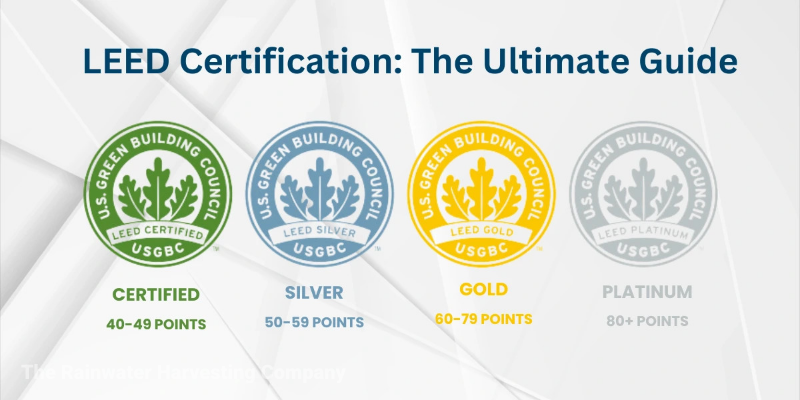
LEED (Leadership in Energy and Environmental Design) is a globally recognized certification from the U.S. Green Building Council (USGBC). It’s the international standard for sustainability.

For interior projects, the relevant system is LEED for Interior Design and Construction (ID+C). It provides a framework for creating healthy, efficient, and resource-saving interior spaces.

Choose LEED if: You are a multinational corporation with a global LEED mandate, or if you want your office to have a certification that is recognized all over the world.

What About Doing Both?

It’s possible! Pursuing dual certification gives you both local and international recognition. There’s about a 60-70% overlap in the documentation required, making it more efficient than starting from scratch for each.

Actionable Steps for a Successful Green Office Renovation

Ready to get started? Here are the key areas to focus on to achieve your Green Mark or LEED targets.

Step 1: Start with Smart Planning and Your Team

The most important step happens before any walls come down. A green renovation needs to be planned from the very beginning.

  • Assemble Your Green Team: Bring in a designer, contractor, and a green building consultant early. A consultant with experience in Singapore can guide you through the certification process and help you make the best choices.
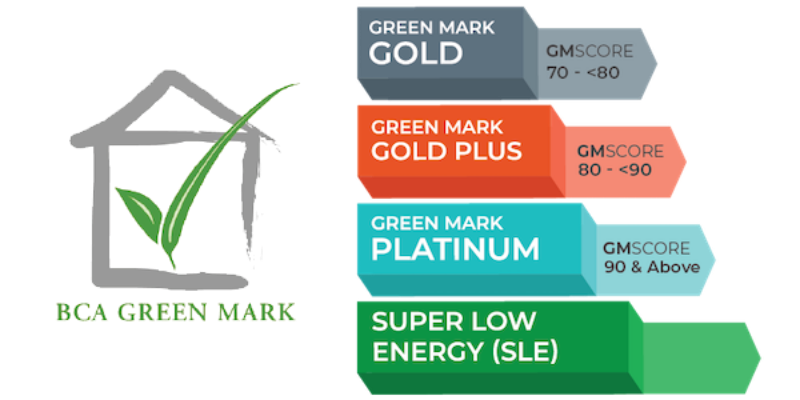
  • Set Clear Goals: Decide what you want to achieve. Are you aiming for Green Mark Gold? LEED Silver? Setting a clear target helps your entire team work toward the same objective.

Step 2: Focus on Energy Efficiency (The Biggest Win)

In Singapore, cooling and lighting are the two biggest energy users in an office. This is your best opportunity to make a huge impact.
  • Ultra-Efficient Air Conditioning: Choose highly efficient ACMV (Air-Conditioning and Mechanical Ventilation) systems designed to handle Singapore’s humidity effectively.
  • Smart Lighting Solutions: Lighting is a key part of the scoring for both Green Mark and LEED.
    • Switch to energy-saving LED lights.
    • Use daylight sensors that dim artificial lights when there’s enough natural sunlight.
    • Install occupancy sensors that turn off lights in empty meeting rooms or offices.
  • Choose Efficient Equipment: Select office equipment and appliances with high energy-efficiency ratings.

Step 3: Create a Healthy Space for Your Team

A green office is a healthy office – a principle central to wellness-focused office renovation ideas that prioritise employee comfort and productivity. The latest Green Mark 2021 standards place a huge focus on health and wellbeing.
  • Improve Indoor Air Quality: Your team’s health and productivity depend on the air they breathe.
    • Use low-emitting materials. These are paints, adhesives, flooring, and furniture that release few or no harmful volatile organic compounds (VOCs).
    • Ensure your design includes proper ventilation to bring in fresh air and reduce pollutants.
  • Embrace Natural Light and Views: Position desks and common areas to take advantage of natural light. It improves mood, alertness, and reduces the need for artificial lighting.
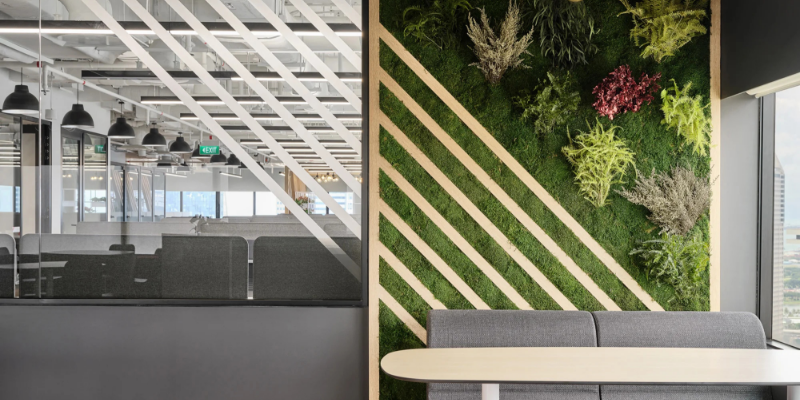
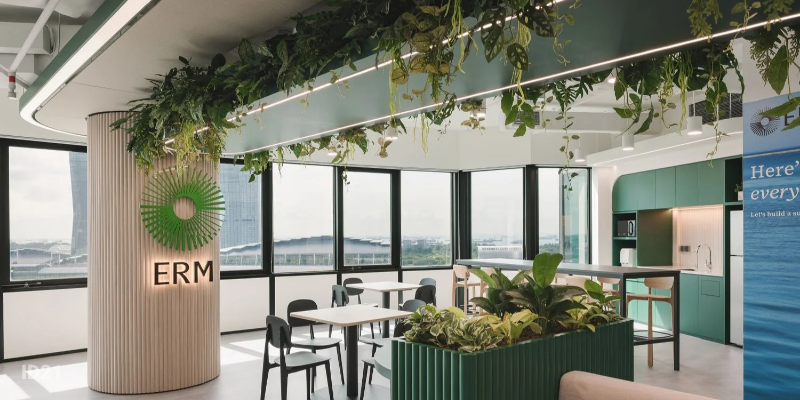
  • Connect with Nature: Consider biophilic design—adding plants, natural materials, and nature-inspired patterns. It’s proven to reduce stress and improve creativity.

Step 4: Choose Sustainable Materials and Manage Waste

What your office is made of matters.

  • Select Eco-Friendly Materials: Look for materials with a high percentage of recycled content, those sourced locally, or ones that are certified by sustainability-focused organizations. This helps reduce the embodied carbon of your office—the total greenhouse gas emissions from making and transporting materials.
  • Plan for Waste Reduction: A huge amount of waste can be generated during a renovation. Work with your contractor to create a construction and demolition waste management plan to divert as much material as possible from the landfill through recycling and reuse.

Step 5: Be Smart with Water

Water is a precious resource. Simple changes to your office pantry and restrooms can make a big difference. Install water-efficient fixtures, such as taps and toilets with a high WELS (Water Efficiency Labelling Scheme) rating. This is a straightforward way to earn points for both Green Mark and LEED.

The Certification Journey

Once your design is in place and construction begins, your green consultant will help you with the formal certification process. This involves registering your project, submitting detailed documentation to show you’ve met the requirements, and a final verification after the renovation is complete. It’s a structured process, and having an expert guide you makes it simple and stress-free.
Evolving Your Workspace for the Future

Achieving a Green Mark or LEED certification during your office renovation is more than just a project—it’s an investment in your company’s future. It creates a space that is not only better for the environment but also healthier for your people and lighter on your budget. By focusing on smart design, energy efficiency, and human wellbeing, you can build a workplace that truly reflects a modern, forward-thinking organization.

Plan your next home renovation with us

Explore our services and portfolio to see how we support homeowners at every stage of their renovation journey.

Ready to take the next step? Contact us for a consultation and let’s turn your renovation ideas into a space that feels truly yours, while meeting all of Singapore’s housing requirements.


What is the difference between Green Mark and LEED?

Green Mark is Singapore’s national green building certification, tailored for the tropical climate. LEED is an internationally recognized certification used worldwide. Green Mark is often preferred by local companies, while LEED is popular with multinational corporations.

It is a specific Green Mark scheme designed for tenant improvement projects and office renovations. It focuses on sustainability areas that tenants can control, like energy efficiency, water use, materials, and indoor environmental quality.

These are building materials and furnishings (like paints, adhesives, and furniture) that release very low levels of volatile organic compounds (VOCs), which can be harmful to indoor air quality and human health.

Lighting is a major factor in energy efficiency. Using energy-saving LEDs and smart controls like daylight and occupancy sensors can earn significant points towards certification. Good lighting design also contributes to indoor environmental quality.

Embodied carbon refers to the greenhouse gas emissions produced during the manufacturing, transportation, and installation of building materials. Choosing sustainable, recycled, or locally sourced materials helps reduce it.

It is very achievable with proper planning. The key is to start early in the design process, set clear goals, and work with an experienced team, including a green building consultant.

Air-conditioning (ACMV) and lighting are the two largest energy consumers. Focusing on high-efficiency systems and smart lighting controls offers the most significant energy savings.

Yes, dual certification is possible. It provides both local and international recognition, and there is a significant overlap in the documentation required for both systems.

It is a plan created with your contractor to minimize the amount of waste sent to a landfill during your renovation. It involves strategies for reusing and recycling materials like metal, drywall, and concrete.

A green and healthy office demonstrates a company’s commitment to employee wellbeing and corporate responsibility. This is an attractive feature for many job seekers who want to work for a company that shares their values.

The basic philosophy of our studio is to create individual, aesthetically stunning solutions for our customers by lightning-fast development of projects employing unique style and architecture. Even if you don’t have a ready sketch of what you want – we will help you to get the result you dreamed of.

The basic philosophy of our studio is to create individual, aesthetically stunning solutions for our customers by lightning-fast development of projects employing unique style and architecture. Even if you don’t have a ready sketch of what you want – we will help you to get the result you dreamed of.

TESTIMONIALS

What People Say

Let’s Talk About Your Next Project.

WhatsApp