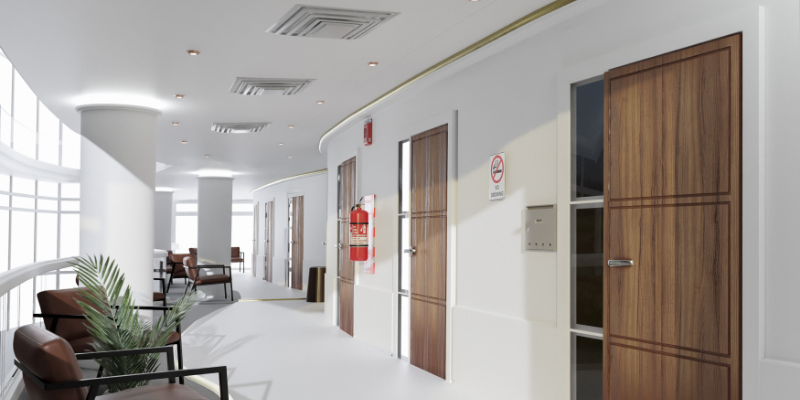
Opening a new clinic or giving your current one a facelift is a huge step. You’re not just creating a workspace; you’re building a place of healing and trust. But the path to a successful opening is filled with complex rules and decisions. Many clinic owners feel swamped thinking about Ministry of Health (MOH) guidelines, patient comfort, and finding a reliable team to bring their vision to life.
This guide will walk you through the essentials of clinic and healthcare office renovations in Singapore. We’ll look at how to meet strict compliance standards, create a space that puts patients at ease, and make your daily operations run smoothly. Think of this as your roadmap to a stress-free renovation that sets your practice up for long-term success.

Why Your Clinic’s Design Is More Than Just Looks
A clinic’s interior is one of the first things a patient notices. It silently communicates your level of professionalism and care. A clean, organized, and welcoming space helps reduce patient anxiety and builds confidence in the care they are about to receive.
But great design goes deeper. It’s about function.
- Better Patient Experience: A smart layout guides patients from the waiting area to consultation rooms without confusion. Thoughtful design choices, like comfortable seating and calming colours, make a real difference in how they feel.
- Improved Staff Efficiency: When your clinic is planned for optimal workflow, your team can work better. A well-designed space reduces wasted steps, keeps essential supplies within reach, and creates a more positive work environment for your doctors and nurses.
- Stronger Brand Identity: Your clinic’s design is a powerful part of your brand. Whether you want to project a modern, high-tech feel or a warm, family-friendly atmosphere, the right interior helps tell your story.

The Heart of Clinic Renovation: Mastering MOH Compliance
In Singapore, compliance is not optional—it’s the foundation of your entire project. Before any construction begins, your design must get the green light from several government bodies. Working with a team that understands these rules from the start is the key to avoiding costly delays and failed inspections.
Key Takeaway: Your renovation partner must be an expert in navigating the requirements of the Ministry of Health (MOH), Building and Construction Authority (BCA), and Singapore Civil Defence Force (SCDF).
Here’s a quick look at what they focus on:
- Ministry of Health (MOH): They set the standards for clinical spaces. This includes specific requirements for room sizes, handwash basin placement, infection control, ventilation, and proper workflows between clean and dirty zones. Adherence to Ministry of Health (MOH) guidelines is the most important part of the planning phase.
- Building and Construction Authority (BCA): BCA codes cover structural safety and accessibility. This ensures your clinic is safe for everyone, including wheelchair accessibility with wide corridors and proper support handles.
- Singapore Civil Defence Force (SCDF): SCDF ensures your clinic meets all fire safety standards, including clear escape routes, proper exit signs, and emergency lighting.
The approval process involves the submission of plans to these regulatory bodies. An experienced contractor handles this for you, making sure every detail is correct before the plans are sent.

Designing for People: The Patient and Staff Experience
A successful clinic balances clinical needs with human comfort. The goal is to create a space that feels both professional and caring.
Creating a Calming Patient Journey
The patient experience begins the moment they walk through your door.
- The Waiting Area: This space should be a calm refuge, not a stressful holding pen. Think warm lighting, comfortable and easy-to-clean chairs, and clear signs to help people find their way. Some clinics use greenery or natural textures to create a more relaxing feel.
- Consultation Rooms: Privacy is essential here. Good acoustic design prevents conversations from being overheard. The room should be well-lit and organized, with smart furniture that keeps medical tools tidy and out of sight.
- Smooth Patient Flow: A great layout creates a straight-line flow from check-in to consultation, treatment, and payment. This reduces bottlenecks and cuts down on waiting times, making the entire visit more pleasant.

Optimizing Staff Workflow for Peak Efficiency
A happy and efficient team provides better care. Smart design supports your staff by:
- Creating Clear Zones: Separating public patient areas from private staff-only zones is vital for infection control and focus.
- Planning for Proximity: Placing treatment rooms near supply storage and labs saves time and energy.
- Providing a Space to Recharge: Even a small, well-designed pantry or break area gives your staff a place to rest and recharge during a busy day. This simple feature is often overlooked but is crucial for staff morale.
Key Design Elements for a Modern Healthcare Office
Beyond the layout, the specific materials and technology you choose play a big role in your clinic’s success.
Material Selection: Balancing Hygiene and Style
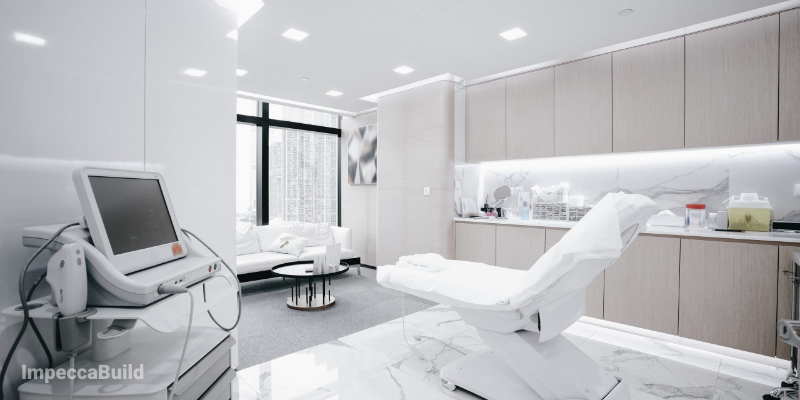
The materials in a healthcare setting must be durable, safe, and easy to sanitize.
- Surfaces: Opt for non-porous and antimicrobial surfaces for countertops and furniture. These materials resist germs and are simple to wipe down.
- Flooring: Slip-resistant flooring is a must to prevent accidents. Medical-grade vinyl and other seamless options are popular because they don’t have grout lines where bacteria can hide.
- Paints: Using low-VOC paints is also part of a broader approach to sustainable office renovation, which prioritises healthier indoor environments.
Technology Integration for a Future-Ready Clinic
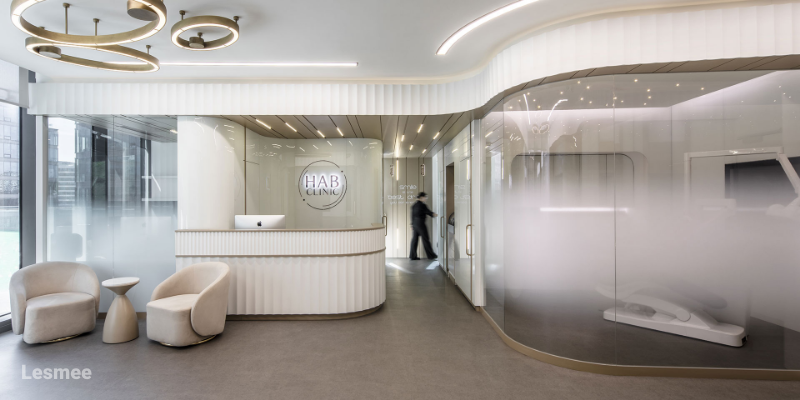
Modern medicine runs on technology. Your renovation should plan for this from day one. This includes the seamless integration of medical technology and equipment. A good design will incorporate:
- EMR-Ready Desks: Consultation rooms with built-in data ports and power for electronic medical record systems.
- Secure Server Rooms: Proper ventilation and security for your IT hardware.
- Smart Systems: Features like motion-sensor lighting to save energy and touchless registration kiosks to improve hygiene and efficiency.

Choosing the Right Clinic Renovation Contractor
Your choice of renovation partner is the single most important decision you’ll make. A general contractor may not understand the unique challenges of a medical project.
Look for a clinic renovation contractor in Singapore with:
- Proven Healthcare Experience: Ask to see a portfolio of past clinic projects. This shows they have real-world experience.
- Deep Understanding of MOH Rules: They should be able to confidently discuss compliance requirements and how their designs meet them.
- Turnkey or Design-and-Build Services: A team that offers end-to-end project management—from design and approvals to construction and handover—saves you from juggling multiple contacts. This single point of accountability ensures a smoother process.
- Clear Communication: A good partner provides regular updates and makes you feel confident and informed at every stage.
Conclusion
A clinic renovation in Singapore is a strategic investment in the future of your practice. Understanding the realistic budget for office renovation will help you plan effectively and avoid unexpected costs during approvals and construction. When done right, it goes far beyond a simple cosmetic upgrade. It’s an opportunity to build a space that is compliant, efficient, and truly welcoming—a place that enhances patient trust and empowers your staff to deliver the best possible care.
By focusing on compliance from the start, planning for the human experience, and choosing a contractor with specialized healthcare expertise, you can navigate the process with confidence. The result is a clinic that not only looks professional but also functions beautifully, reflecting the high standard of care you provide.
Thinking about your own clinic renovation? It’s a journey of transforming a space to better serve your patients and your team. With the right partner, you can create an environment that supports healing and helps your practice grow.
Plan your next home renovation with us
Explore our services and portfolio to see how we support homeowners at every stage of their renovation journey.Ready to take the next step? Contact us for a consultation and let’s turn your renovation ideas into a space that feels truly yours, while meeting all of Singapore’s housing requirements.


