
Planning to refresh your workspace in Singapore? It’s an exciting move. A great office design can boost your team’s energy, impress clients, and build a stronger company culture. But before you start picking out paint colors and new furniture, the big question on your mind is likely: “How much will this all cost?”
Budgeting for a commercial project can feel confusing. Prices seem to vary, and hidden costs can be a real worry. You need clear, straightforward information to plan effectively.
This guide breaks down the typical office renovation cost per square foot in Singapore. We’ll look at what you get for your money at different budget levels, explore the key factors that influence your final bill, and share some smart tips to help you manage your expenses without cutting corners.
Key Takeaways: Office Renovation Costs at a Glance
For a quick overview, here are the general cost estimates for office fit-outs in Singapore.
- Basic Fit-Out: S$50 – S$80 per square foot (psf)
- Mid-Range Fit-Out: S$80 – S$120 per square foot (psf)
- Premium Fit-Out: S$120 – S$200+ per square foot (psf)
These ranges are a starting point. Your final cost will depend on your specific needs, the complexity of the design, and the condition of the space.
A Look at 3 Renovation Tiers: What’s Included?
Not all renovations are the same. The price per square foot is directly tied to the quality of materials and the scope of work. Let’s see what you can expect at each level.
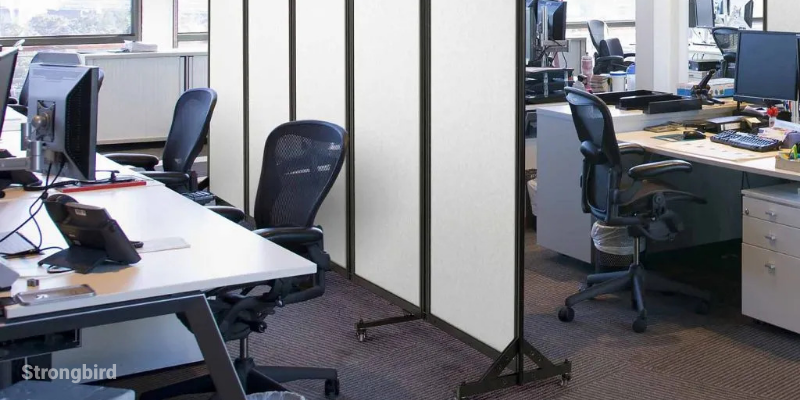
1. Basic Fit-Out (S$50 – S$80 psf)
A basic or economy-level fit-out focuses on getting your office functional and ready for business. It’s a great choice for startups or companies needing a simple, clean, and professional space without a lot of custom features.
What this typically includes:
- Simple drywall partitions to create rooms
- Basic flooring, like standard carpet tiles or vinyl
- Standard ceiling tiles and essential lighting
- General electrical work for power points and lighting
- A fresh coat of paint
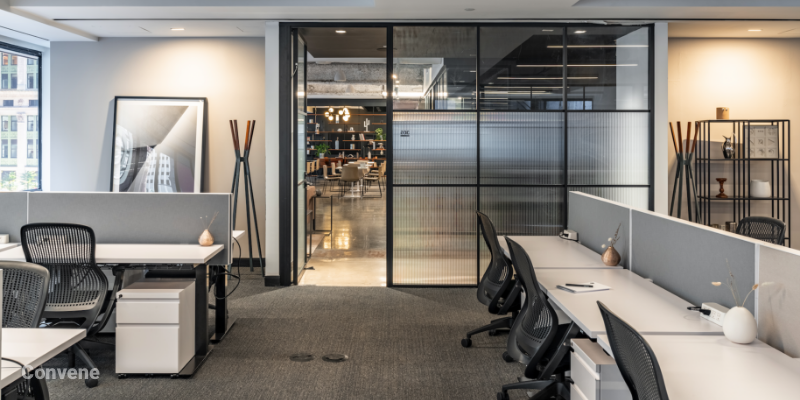
2. Mid-Range Fit-Out (S$80 – S$120 psf)
This is the most common choice for established businesses. A mid-range renovation allows for more branding, better quality materials, and a more thoughtfully designed workspace that improves employee comfort and productivity.
What this typically includes:
- Better quality materials for flooring and walls
- Glass partitions for a more open feel
- Some custom carpentry for reception desks or storage
- Improved lighting systems and more complex electrical work
- A small pantry or breakout area
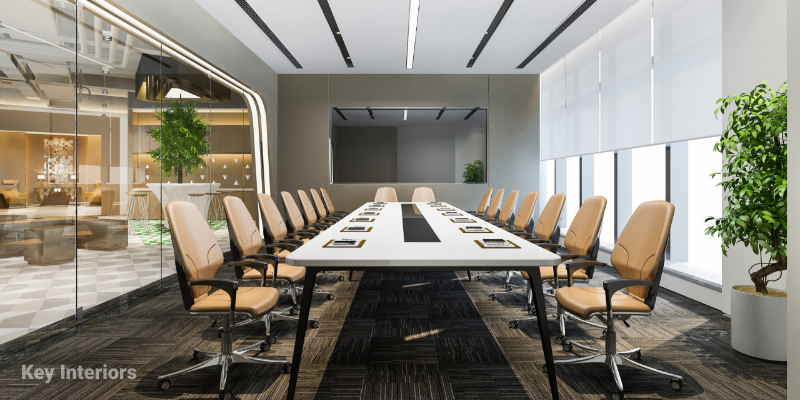
3. Premium Fit-Out (S$120 – S$200+ psf)
A premium or high-end renovation is for companies wanting to make a strong statement. It involves high-end finishes, sophisticated design, and advanced technology to create an exceptional work environment that reflects a top-tier brand identity.
What this typically includes:
- High-end finishes like natural stone, hardwood, or premium fabrics
- Unique architectural features and complex ceiling designs
- Extensive custom joinery and bespoke furniture
- Advanced technology, such as integrated AV systems and smart office controls
- Wellness amenities like private phone pods, dedicated lounges, or advanced air purification systems

What Drives Your Renovation Costs? 5 Key Factors
Wondering why the price ranges are so wide? Several key factors will affect your final office renovation cost.
- Design Complexity: A simple open-plan layout costs less than one with many private offices, unique architectural features, or curved walls. Custom designs require more labor and specialized skills, which adds to the budget.
- Standard of Finishes: The materials you choose are a major cost driver. For example, vinyl flooring is much more affordable than marble or engineered hardwood. The same goes for lighting fixtures, wall coverings, and furniture.
- Mechanical & Electrical (M&E) Works: M&E services which cover your air conditioning, electrical wiring, and fire safety systems can represent 30-40% of the total renovation cost. Upgrading an older building’s systems will cost more than working in a new one with modern infrastructure.
- Project Size and Scope: While larger projects cost more overall, the price per square foot often decreases due to economies of scale. A very small office may have a higher per-square-foot cost because fixed expenses (like project management and permits) are spread over a smaller area.
- Regulatory Compliance: All renovations in Singapore must meet standards set by agencies like the Building and Construction Authority (BCA) and the Singapore Civil Defence Force (SCDF). The costs for permits, submissions by a Qualified Person (QP), and ensuring compliance can add 5-10% to your budget.
The Hidden Cost: Don’t Forget Office Reinstatement
If you are renting your office, your lease agreement almost certainly has a reinstatement clause. This means that at the end of your lease, you must return the space to its original condition. Many businesses overlook this expense when planning their budget.
Reinstatement involves demolishing everything you’ve built, including partitions, custom flooring, and special wiring. The cost can vary but is a good thing to plan for.
- Office Reinstatement Cost: Generally ranges from S$5 to S$15 per square foot, depending on the extent of the fit-out that needs to be removed.

Smart Ways to Manage Your Renovation Budget
A beautiful and functional office doesn’t have to break the bank. Here are a few ways to keep your office renovation cost in check:
- Plan Ahead: Last-minute changes are a primary cause of budget overruns. Finalize your design and material choices before the work begins.
- Consider an Open-Plan Layout: Fewer walls mean lower costs for construction, electrical wiring, and air conditioning distribution.
- Reuse and Repurpose: Can you keep the existing ceiling or flooring? Can some of your current furniture be reused? Every item you don’t have to buy new is a saving.
- Choose Cost-Effective Materials: Modern vinyl flooring can look just as good as wood for a fraction of the price. Talk to your designer about smart alternatives for high-end materials.
- Set a Contingency Fund: Always set aside 10-15% of your total budget for unexpected issues. This prevents stress if unforeseen problems like hidden plumbing or wiring issues arise.
An Investment in Your Business’s Future
Figuring out your office renovation cost is the first step toward creating a space that helps your business grow. By understanding the different tiers, the factors that drive costs, and how to budget wisely, you can plan your project with confidence.
An office renovation is more than just an expense; it’s an investment in your people, your brand, and your company’s future success. Partnering with an experienced design and build firm can help you navigate the process, ensuring your new office is not only beautiful but also delivered on time and on budget.
Plan Your Next Home Renovation With Us
Explore our services and portfolio to see how we support homeowners at every stage of their renovation journey.
Ready to take the next step? Contact us for a consultation and let’s turn your renovation ideas into a space that feels truly yours, while meeting all of Singapore’s housing requirements.


