


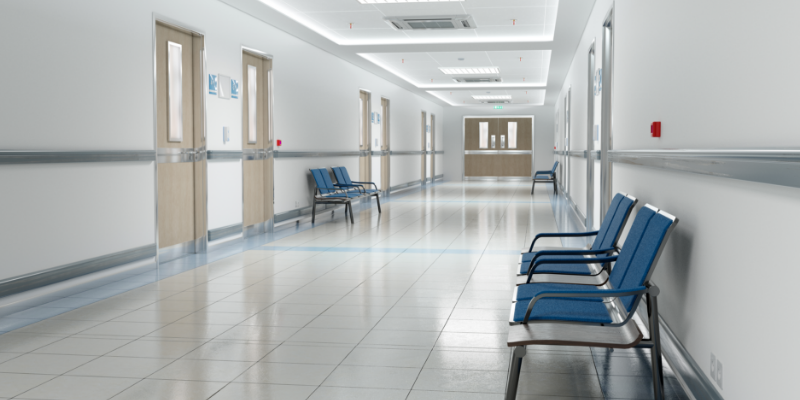
 Healthcare facility renovations present a unique challenge: maintaining exceptional patient care while transforming the physical environment that delivers it. Unlike standard commercial renovations, medical facility upgrades require strategic coordination between construction activities and ongoing clinical operations to preserve patient flow efficiency and operational functionality.
When healthcare facilities undergo renovation, the stakes extend far beyond aesthetics or basic functionality. Patient safety, regulatory compliance, and operational continuity must remain uncompromised while creating spaces that enhance medical workflows and improve care delivery outcomes.

Patient flow encompasses the progression of patients through all stages of care within a medical facility, from initial check-in through consultation, treatment, and discharge. This complex orchestration involves multiple touchpoints, staff interactions, and facility zones that must function seamlessly even during renovation periods.
Effective patient flow management directly impacts clinical outcomes and operational efficiency. Studies demonstrate that structured patient flow interventions can reduce average hospital length of stay from 11.5 to 4.4 days while decreasing emergency department boarding time by 90%. These improvements translate to enhanced bed turnover rates and substantial financial benefits for healthcare organizations.
During renovations, maintaining optimal patient flow becomes exponentially more challenging. Construction activities create physical barriers, noise disruptions, and spatial limitations that can fragment established workflows. The key lies in understanding how each renovation phase will affect patient movement patterns and implementing compensatory measures before disruptions occur.
Singapore General Hospital’s implementation of real-time location systems during facility upgrades exemplifies strategic patient flow management. Their monitoring system tracked patient movement, equipment usage, and staff deployment throughout renovation phases, achieving a 12% improvement in discharge efficiency while maintaining care quality standards.

Before commencing any healthcare facility renovation, conducting a comprehensive operational assessment establishes baseline performance metrics and identifies critical workflow dependencies. This analysis must examine current patient flow patterns, staff movement corridors, equipment positioning, and technology integration points.
Documentation of existing workflows reveals hidden inefficiencies that renovations can address while highlighting operational strengths that must be preserved. Track patient journey times from arrival through discharge, noting bottleneck locations and peak congestion periods. Map staff movement patterns between clinical areas, administrative zones, and support services to understand how physical changes will impact daily operations.
Technology infrastructure assessment becomes crucial when planning renovations that integrate modern healthcare systems. Electronic health records, appointment scheduling platforms, and communication networks require uninterrupted functionality throughout construction phases. Identifying technology dependencies early prevents costly disruptions and ensures seamless transitions to upgraded systems.
Space utilization analysis provides data-driven insights for renovation design decisions. Examine room occupancy rates, equipment usage patterns, and patient volume fluctuations across different areas. This information guides renovation phasing strategies and temporary space allocation during construction periods.
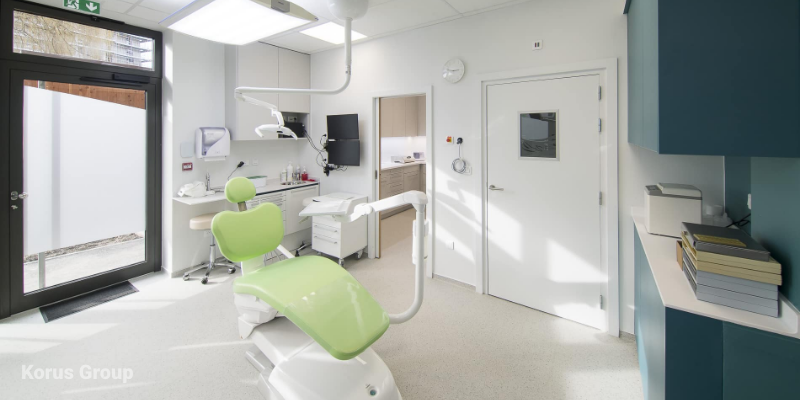
Healthcare facility renovations require careful phasing to maintain operational continuity without compromising patient safety or care quality. Strategic phasing involves dividing renovation projects into manageable segments that preserve essential functions while systematically upgrading facility zones.
The primary principle of healthcare renovation phasing centers on maintaining redundant pathways and backup systems. When renovating patient circulation corridors, alternative routes must remain accessible and clearly marked. Critical care areas require backup power systems and communication networks throughout construction phases to ensure uninterrupted operations.
Scheduling renovation activities around patient volume patterns maximizes operational efficiency. Peak care periods demand minimal construction noise and disruption, while off-peak hours allow for more intensive renovation work. Coordinate with clinical departments to identify low-activity periods when specific areas can be temporarily relocated or consolidated.
Creating temporary operational zones maintains service delivery during major renovations. Successful projects establish interim patient processing areas, temporary equipment storage, and modified staff workflows that preserve care quality while construction proceeds. These temporary arrangements must meet all regulatory requirements and maintain infection control standards.
The Cleveland Clinic’s approach during their facility expansion demonstrates effective renovation phasing. They utilized predictive analytics and patient flow dashboards to dynamically reallocate staff and resources during construction phases, maintaining continuity of care while achieving operational improvements.
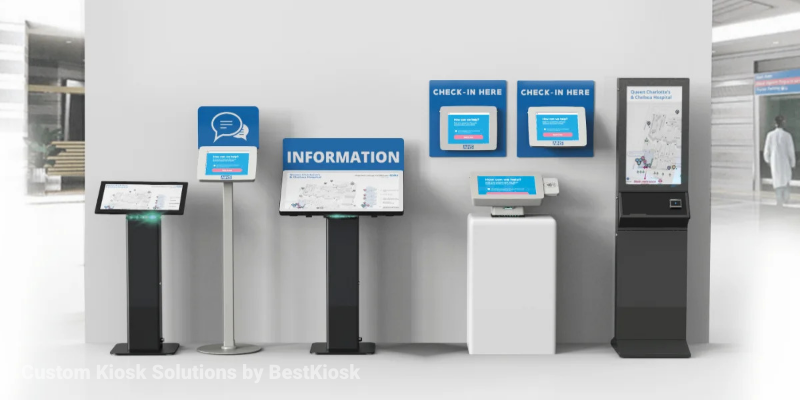
Modern healthcare renovations present opportunities to integrate advanced technologies that streamline operations and enhance patient experiences. Health Information Systems, real-time dashboards, and digital communication platforms can transform workflow efficiency when properly implemented during renovation projects.
Digital patient tracking systems eliminate manual coordination bottlenecks that often emerge during renovation disruptions. Real-time location systems monitor patient movement, equipment availability, and staff deployment across temporary and permanent facility zones. These systems provide administrators with immediate visibility into operational flows and enable rapid response to emerging bottlenecks.
Automated check-in systems reduce reception area congestion while providing flexibility during renovation phases. Self-service kiosks and mobile check-in platforms allow patients to complete administrative processes regardless of physical space constraints. Multiple check-in stations distributed throughout available areas prevent congestion during peak periods.
Communication technology becomes essential for coordinating staff activities across modified facility layouts. Push-notification systems, real-time alerts, and centralized dashboards keep teams informed about patient status, room availability, and operational changes. These tools reduce cognitive load on staff while maintaining coordination across fragmented spaces.
Integration planning must address both immediate renovation needs and long-term operational goals. Technology installations during renovation phases should support enhanced workflows post-construction while providing interim solutions for operational continuity.

Healthcare facility renovations in Singapore must maintain strict compliance with health regulations and certification requirements throughout all construction phases. The Ministry of Health requires consultation prior to any design or structural changes that may affect facility certification validity.
Infection control protocols require specialized attention during healthcare renovations. Construction activities generate dust, debris, and airborne particles that pose contamination risks in clinical environments. Establish negative pressure zones around construction areas, implement HEPA filtration systems, and create sealed pathways that prevent contamination spread to patient care zones.
Fire safety and emergency evacuation procedures need modification during renovation phases. Construction activities may block traditional exit routes or disable fire suppression systems temporarily. Develop alternative evacuation plans, install temporary safety systems, and conduct regular drills to ensure staff familiarity with modified emergency procedures.
Certification bodies approved by the Ministry of Health must verify compliance with renovation modifications. Allow 30 working days minimum for application processing and engage certified professionals 1-2 months prior to critical renovation milestones. This timeline ensures regulatory approval doesn’t delay project completion or operational transitions.
Documentation requirements intensify during renovation projects. Maintain detailed records of compliance measures, safety protocols, and operational modifications. These documents support regulatory inspections and provide evidence of continued adherence to healthcare facility standards throughout construction phases.

Healthcare staff workflows require careful coordination during facility renovations to maintain care quality while adapting to modified environments. Effective staff management strategies address both practical workflow adjustments and communication needs throughout renovation phases.
Training programs prepare staff for modified workflows before renovation disruptions begin. Conduct orientation sessions covering new pathways, temporary procedures, and emergency protocols. Staff familiarity with alternative workflows prevents confusion and maintains operational efficiency when construction activities commence.
Clear communication protocols become essential when physical layouts change frequently during renovation phases. Establish centralized information hubs, regular briefing schedules, and digital updates that keep all staff informed about current facility configurations. Communication breakdowns during renovations can compromise patient safety and operational effectiveness.
Workflow standardization maintains consistency across modified environments. Document revised procedures for patient handoffs, equipment access, and inter-departmental coordination. Standardized workflows reduce variability that typically increases during renovation disruptions and helps maintain care quality standards.
Staffing adjustments may be necessary during intensive renovation phases. Consider temporary role modifications, cross-training opportunities, and flexible scheduling that accommodates construction activities while maintaining adequate coverage for patient care responsibilities.

Healthcare facility renovations provide opportunities to implement enhanced operational strategies that improve long-term performance beyond pre-renovation baselines. Post-renovation optimization focuses on maximizing the benefits of improved physical environments and integrated technologies.
Performance monitoring systems track key metrics comparing pre- and post-renovation operations. Monitor patient wait times, staff efficiency measures, and workflow completion rates to identify areas where renovations successfully enhanced operations. This data guides fine-tuning efforts and demonstrates renovation value to stakeholders.
Workflow refinement continues after construction completion as staff adapt to new environments and systems. Gather feedback from clinical teams about operational challenges and improvement opportunities. Small adjustments to procedures, signage, or equipment placement can yield significant efficiency gains in renovated spaces.
Technology optimization ensures new systems achieve their intended benefits. Review system utilization rates, user feedback, and performance metrics to identify underutilized features or training needs. Maximizing technology adoption requires ongoing support and refinement beyond initial installation.
Patient feedback analysis reveals how renovations impact care experiences from the patient perspective. Survey patients about navigation ease, wait time perceptions, and overall satisfaction with renovated facilities. This feedback identifies opportunities for further improvements and validates renovation investments.
Continuous improvement processes institutionalize ongoing optimization efforts. Establish regular review cycles that assess operational performance, identify enhancement opportunities, and implement refinements. Healthcare facilities require adaptive management approaches that evolve with changing care delivery needs and operational demands.
Healthcare facility renovations demand specialized expertise that balances operational continuity with transformational improvements. Success requires understanding complex workflows, regulatory requirements, and the critical importance of maintaining patient care quality throughout construction phases. The result is enhanced facilities that support improved patient outcomes and operational efficiency for years to come.
Schedule your patient flow assessment and operational optimization consultation today to ensure your healthcare facility renovation delivers maximum operational benefits while maintaining exceptional care standards.


