Clicky

Table of Contents

Table of Contents

Get to Know us

How to Avoid Blacklisted Renovation Companies in Singapore

avoid blacklisted renovation companies

Starting a renovation is one of the most exciting parts of becoming a homeowner in Singapore. You’re finally ready to turn that new BTO or resale flat into your dream home. But I know that excitement can quickly turn to worry. You’ve probably heard the horror stories—contractors who disappear with deposits, shoddy work, and costs that spiral out of control. It’s a valid fear, and knowing how to avoid blacklisted renovation companies is key to protecting yourself.

Recent findings show that complaints against renovation firms are consistently among the highest in Singapore. Many first-time homeowners, eager to move in, get caught by scams that cost them tens of thousands of dollars.

But it doesn’t have to be that way. With a little know-how, you can confidently find a trustworthy partner for your project. This guide is your safety blueprint. We’ll walk through the exact steps to protect your investment and avoid the stress of dealing with a blacklisted or unreliable renovation company.

The Sobering Reality: Why You Need to Be Careful

The numbers don’t lie. In the last year, over 1,200 renovation scam reports were filed, with the average loss hitting a painful S$22,500 per victim. For many, this means their entire renovation fund is gone. These aren’t just statistics; they are real families facing huge stress and financial hardship.

The most common targets are first-time homebuyers, often pressured by tight move-in dates and drawn in by deals that seem too good to be true.

Key Takeaway:

Your caution is justified. Taking the time to properly check a company is the single most important thing you can do for a successful renovation.

How to Avoid Blacklisted Renovation Companies: Common Scams and Red Flags

Scammers are clever, but they often use the same tricks. If you see any of these red flags, it’s time to walk away.

  • Tempting “Promo” Prices: They quote an unbelievably low price to get you to sign, then add “hidden costs” for essentials like electrical work, plumbing, or even design fees later.
  • High Upfront Payments: A huge red flag is a contractor demanding 70% to 90% of the payment upfront to “secure materials.” Reputable firms don’t need that much cash to start.
  • Disappearing After Deposit: This is the worst-case scenario. The contractor takes your large deposit and becomes completely uncontactable. No work is ever started.
  • Vague Contracts: You receive a contract with no specific details on material brands, measurements, or a clear scope of work. It’s a recipe for disputes later.
  • Material Swapping: The contract says premium Italian tiles, but you end up with cheap local copies. This fraud is hard to spot until after the work is done.
  • Multiple Company Names: Some directors run several companies. When one gets too many bad reviews or is blacklisted, they simply shut it down and reappear under a new name.
  • Mid-Project Pressure: A common tactic is threatening to stop all work unless you make extra “top-up” payments, holding your renovation hostage.

Your 5-Step Homeowner Safety Blueprint

Protecting yourself isn’t complicated. It just requires a bit of diligence before you sign anything. Follow these five steps to ensure you’re working with a reliable and professional team.

Step 1: Do Your Homework (Official Checks)

Before you even fall in love with a design, run these essential background checks. This is your first line of defense.

  • HDB’s Directory of Renovation Contractors (DRC): To carry out renovations in an HDB flat, a contractor must be listed on the DRC. This confirms they know HDB’s rules and technical requirements. You can search the directory on the HDB website. However, HDB makes it clear that they do not endorse or guarantee the quality of these contractors.
  • BCA Registered Contractors: For specialized work like installing or replacing windows, your contractor must be approved by the Building and Construction Authority (BCA), often under the RW01 workhead. Hiring a non-approved window contractor is illegal and can cause major safety issues.If you’re planning a commercial renovation, understanding how to verify a BCA-approved contractor becomes even more critical for compliance and safety.
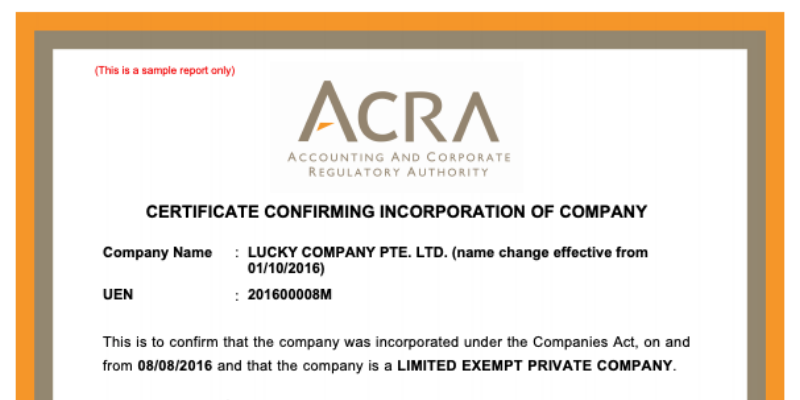
  • ACRA UEN Check: Every legitimate business in Singapore has a Unique Entity Number (UEN). Ask for it and verify it on the ACRA website. This proves you are dealing with a registered company, not an individual.
  • CASE Company Alert List: The Consumers Association of Singapore (CASE) maintains a list of companies that have a high number of complaints lodged against them. While not a formal “blacklist,” it’s an excellent way to see if a firm has a history of unhappy customers.

Step 2: Master Your Payment Discipline

Your money is your greatest protection. Never give a contractor too much leverage by paying a large sum upfront.

  • The 30% Rule: Never pay more than 20-30% for the initial deposit. A contractor who pressures you for more may be in financial trouble or planning to run.
  • Use a Milestone-Based Payment Plan: This is the industry standard for reputable firms. You release payments as clear stages of the project are completed and inspected by you. For example:
    • 20% upon signing the contract
    • 30% after hacking and masonry work is done
    • 30% after carpentry is installed
    • 20% upon final completion and handover
  • Pay the Company, Not a Person: Always make payments to the company’s official bank account. Check that any PayNow transfers are to a UEN, not a personal phone number. A designer asking you to pay them directly is a major red flag.

Step 3: Insist on a Rock-Solid Contract

A verbal agreement is not enough. A detailed contract protects both you and the contractor. Do not sign anything that is vague.

Your contract should clearly state:

  • An itemized scope of all work to be done.
  • The exact brands, models, and quantities of materials (e.g., “Lamitak laminate, model WYA 1234”).
  • A clear payment schedule based on milestones.
  • A projected start and completion date. This is especially important for businesses planning an office reinstatement before lease handover.
  • Warranty terms for workmanship and materials.

Step 4: Trust, But Verify (In Person and Online)

  • Visit Their Office: A legitimate company will have a physical office or showroom. Be cautious of firms that only exist on social media or have a virtual office address.
  • Read Reviews with a Critical Eye: Check reviews on multiple platforms. Be aware that some reviews can be faked. Look for detailed reviews that describe the whole process, including how problems were handled.
  • Check Their Portfolio: Don’t just look at the pretty pictures on their website. Use a reverse image search (like Google Lens) to see if their portfolio photos have been stolen from other designers or Pinterest. Reviewing real renovation case studies in Singapore can also help you assess workmanship standards and project complexity.

Step 5: Watch Out for Unrealistic Promises

If something sounds too good to be true, it probably is.

  • Be Wary of Quick Turnarounds: A typical BTO renovation takes 8-12 weeks for the actual work, plus time for design and permits. A company promising to finish in a month is cutting corners somewhere.
  • Get Multiple Quotes: Always get at least three quotes from different firms. This will give you a good sense of the fair market rate and help you spot a quote that is suspiciously low.

A Smooth Renovation is Possible

Avoiding a bad contractor is all about being informed and patient. By following these steps, you remove the guesswork and put yourself in control. Your renovation should be a joyful process of creating a space you love, not a source of constant stress. Take your time, do your checks, and choose a partner who values transparency and quality as much as you do.

Ready to start your renovation journey with a team you can trust? At Ad-Evo, we believe in purposeful design and transparent processes. We’re here to help you evolve your space with form and function, ensuring a smooth and successful project from start to finish.

Plan your next home renovation with us

Explore our services and portfolio to see how we support homeowners at every stage of their renovation journey.

Ready to take the next step? Contact us for a consultation and let’s turn your renovation ideas into a space that feels truly yours, while meeting all of Singapore’s housing requirements.


What is the first thing I should check before hiring a renovation contractor?

The very first step is to verify their credentials. For HDB flats, ensure they are listed on the HDB Directory of Renovation Contractors (DRC). You should also check their business registration on ACRA.

You should never pay more than 20-30% of the total contract value as an initial deposit. A reputable firm will use a milestone-based payment schedule for the rest of the payments.

There isn’t a single official government “blacklist.” However, the CASE Company Alert List is the closest thing, as it lists businesses that have a high number of consumer complaints filed against them.

A good contract must have an itemized scope of work, specific details on all materials (brands and models), a clear payment schedule tied to project milestones, a timeline, and warranty information.

This is a major red flag. All payments should be made to the company’s official bank account or to a PayNow UEN (Unique Entity Number), not an individual’s phone number.

You can use a reverse image search tool (like Google Lens) on their project photos. This can help you see if the images were taken from other websites, like Pinterest or another designer’s portfolio.

It’s a payment schedule where you pay for the renovation in stages, as specific parts of the work are completed. This protects you by ensuring you only pay for work that has actually been done.

A physical office or showroom indicates a more established and legitimate business. Be cautious of companies that operate only online or from a virtual office, as they are harder to track down if problems arise.

It means the contractor is aware of HDB’s rules and requirements for renovations. However, HDB does not endorse or guarantee the quality of their work.

Yes. A proper renovation takes time for design, permits, and quality workmanship. A company that promises an unusually quick turnaround (e.g., a full BTO reno in one month) is likely cutting corners.

The basic philosophy of our studio is to create individual, aesthetically stunning solutions for our customers by lightning-fast development of projects employing unique style and architecture. Even if you don’t have a ready sketch of what you want – we will help you to get the result you dreamed of.

The basic philosophy of our studio is to create individual, aesthetically stunning solutions for our customers by lightning-fast development of projects employing unique style and architecture. Even if you don’t have a ready sketch of what you want – we will help you to get the result you dreamed of.

TESTIMONIALS

What People Say

Let’s Talk About Your Next Project.

WhatsApp