


 Making smart renovation decisions in Singapore’s competitive market requires more than intuition—it demands data-driven analysis to maximize every dollar spent. With construction costs rising over 5% annually and fit-out expenses reaching S$150-200 per square foot for premium spaces, business operators need a systematic approach to identify which improvements deliver the highest customer and operational impact per dollar invested.
This guide provides a practical framework to calculate ROI for renovation elements, prioritize improvements based on impact-to-cost ratios, and develop a strategic renovation calculator approach for your Singapore business space.
Before diving into specific calculations, establishing baseline cost expectations helps frame your investment analysis. Singapore’s commercial renovation market operates within clear cost brackets that directly impact your ROI potential.
Current Singapore Commercial Renovation Benchmarks (2026):
Location significantly affects these base costs. CBD areas like Raffles Place and Orchard Road add 15-25% premiums due to access restrictions and higher compliance standards. Factor this into your initial budget calculator when evaluating different spaces.
The key insight: higher upfront costs don’t automatically mean better ROI. A S$90 per sqft investment with strong customer impact often outperforms a S$200 per sqft premium finish with marginal operational benefits.

Step 1: Define Your Investment Categories
Break renovation costs into measurable components with clear impact metrics:
Hard ROI Elements (quantifiable returns):
Soft ROI Elements (harder to quantify but valuable):
Step 2: Create Your Impact Scoring System
Rate each potential renovation element on a 1-10 scale across four dimensions:
Calculate impact-to-cost ratio: (Customer + Operational + Revenue scores) ÷ Implementation cost per S$1,000 invested.
Tier 1 Priorities: Maximum Impact per Dollar
Based on Singapore market data, these renovations consistently deliver the strongest ROI:
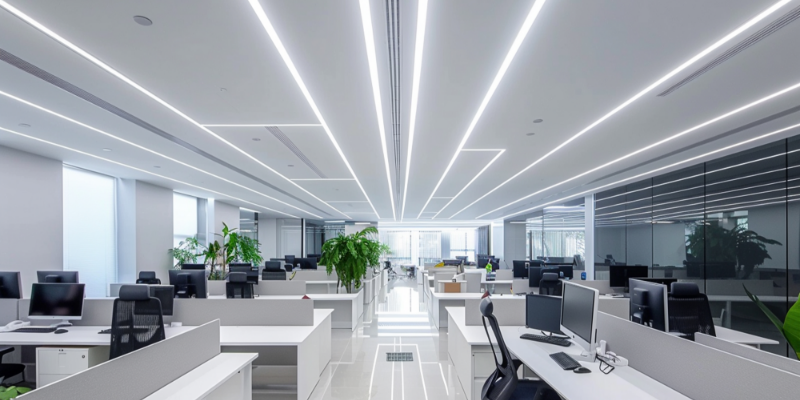
Lighting upgrades represent exceptional value. At S$12-45 per sqft, LED lighting systems reduce energy consumption by 18% while improving customer ambiance and employee productivity. Calculate ROI using this formula: (Annual energy savings + productivity gains) ÷ Installation cost.
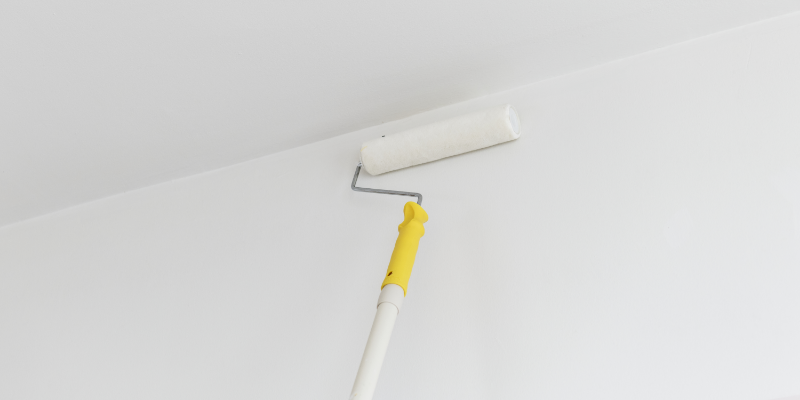
Paint and finishes offer immediate transformation at S$5-25 per sqft—the lowest cost per square foot of any renovation element. Fresh paint increases perceived space quality by an estimated 25-30% for minimal capital outlay.

Strategic flooring improvements in high-traffic areas (S$8-40 per sqft) create substantial customer impact. Focus budget on entrance areas and primary customer pathways rather than back-of-house spaces for maximum visibility per dollar.
Tier 2 Priorities: Moderate Cost, Strong Returns
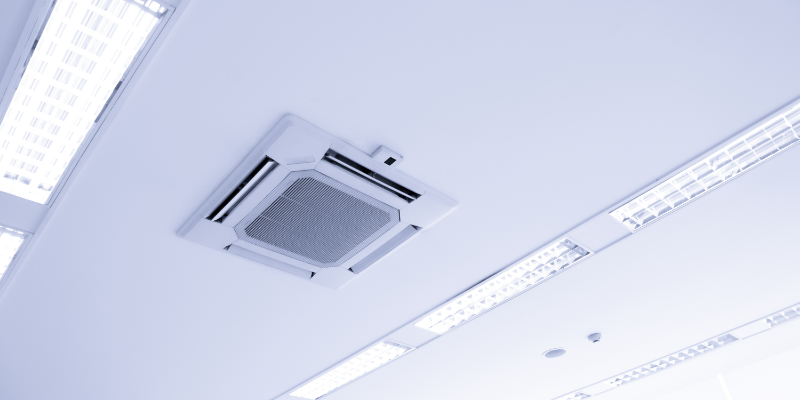
HVAC optimization (S$15-50 per sqft) improves customer comfort while reducing ongoing operational costs. In Singapore’s climate, efficient cooling systems pay for themselves through lower electricity bills within 24-36 months.
Basic space reconfiguration through partitioning (S$15-50 per sqft) can increase usable space efficiency by 15-20%. Calculate potential revenue gains from improved layout against installation costs.
Office Spaces: Focus on Productivity ROI
Office renovations should prioritize elements that measurably improve employee output. Research shows ergonomic improvements can boost productivity by 12-15%, while better lighting reduces eye strain and increases focus.
Calculate office renovation ROI using: (Productivity improvement % × average employee cost per year × number of employees) ÷ renovation investment.
For a 3,000 sqft office with 20 employees earning average S$60,000 annually, a 10% productivity gain from S$120,000 renovation investment yields: (0.10 × S$60,000 × 20) ÷ S$120,000 = 100% first-year ROI.
Retail Spaces: Customer Conversion Focus
Retail renovations must drive increased sales per square foot. Track metrics like:
Shopfront improvements (S$20-80 per sqft) often deliver outsized returns by attracting more customers. A S$30,000 entrance renovation that increases foot traffic by 15% and conversion by 8% can generate substantial revenue gains.
Restaurant Operations: Kitchen Efficiency Priority
Restaurant kitchen equipment represents the highest cost component (S$40-150 per sqft) but offers measurable efficiency gains. Calculate ROI through:

Timing Your Investment for Maximum Savings
Schedule renovations during off-peak periods for 10-15% cost reductions. Plan major work between Chinese New Year and March when contractor availability increases and material prices typically soften.
Material Selection Impact Analysis
Local materials offer 20-30% cost savings compared to imported alternatives while supporting faster project timelines. Calculate total cost including shipping delays and customs processing when comparing options.
Phased Implementation Approach
Spread renovation investments across quarters to manage cash flow while allowing each phase to generate returns before the next investment. Start with highest-impact, lowest-cost elements to fund subsequent phases.

Establishing Baseline Metrics
Before starting any renovation, document current performance across relevant metrics:
Post-Renovation Measurement
Track the same metrics for 12 months post-completion to validate ROI calculations. Many businesses see renovation benefits continue growing over time as customers and employees adapt to improved spaces.
Building Your Renovation Calculator Tool
Create a simple spreadsheet template with these columns:
This calculator becomes your decision-making tool for future improvements and helps justify investments to stakeholders.

Singapore renovation projects require 10-15% contingency budgets for genuine unknowns like concealed services or structural constraints. However, avoid using contingency funds for scope creep or design changes—these represent planning failures rather than unforeseen circumstances.
Common budget overruns include scope changes (+15-25%), hidden structural issues (+10-20%), and permit delays (+5-15%). Factor these risks into your ROI calculations by adjusting expected timelines and benefits accordingly.
Building condition significantly affects renovation ROI. Older buildings may require additional rectification work that reduces overall returns, while newer spaces allow more budget allocation toward high-impact improvements.
Smart renovation strategy starts with understanding your space’s specific constraints and opportunities. Calculate impact-to-cost ratios for each potential improvement, prioritize quick wins that fund larger investments, and track results to refine your decision-making process.
Singapore’s rising construction costs make strategic planning more critical than ever. Focus your budget on elements that directly improve customer experience or operational efficiency rather than purely aesthetic upgrades with unclear returns.
Start by auditing your current space using the framework provided, then calculate ROI for your top three improvement priorities. This data-driven approach ensures every renovation dollar works harder for your business.
Ready to maximize your renovation budget with professional guidance? Get your custom renovation impact assessment and ROI analysis to identify the highest-return improvements for your specific Singapore business space.


