


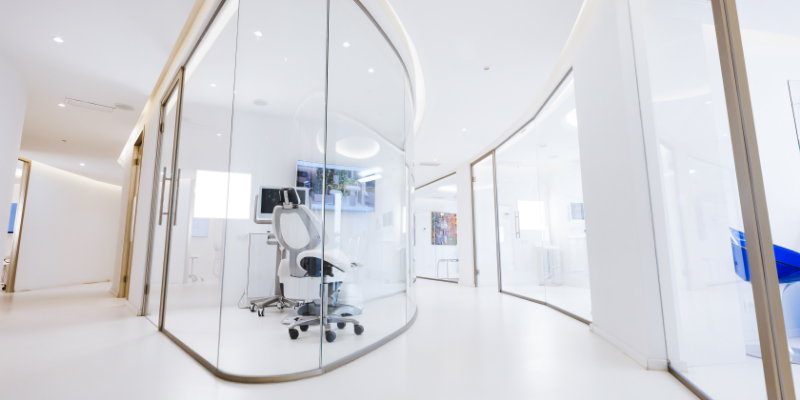
Healthcare interior design extends far beyond creating aesthetically pleasing spaces. For medical facilities, the foundation of profitable operations lies in strategic Healthcare Compliance Interior Design planning that transforms regulatory requirements into revenue-generating advantages. When Healthcare Compliance Interior Design prioritizes regulatory compliance from the outset, facilities achieve measurable returns through reduced operational costs, improved patient outcomes, and streamlined workflows that directly impact profitability.
The most successful hospital design and medical facility design projects recognize that compliance isn’t a constraint—it’s a competitive advantage. Facilities that invest in compliance-first interior planning consistently outperform their peers in both patient satisfaction and financial metrics.

Healthcare facilities operate under stringent regulatory frameworks that directly influence interior design decisions. Understanding these requirements early in the design process creates significant cost advantages compared to retrofitting non-compliant spaces later.
Medical facility design projects that incorporate compliance requirements from initial planning typically allocate 3-5% of total renovation costs to permits and professional fees. However, facilities attempting to achieve compliance after construction often face costs exceeding 15-20% of the original budget through required modifications, delays, and potential stop-work orders.
The approval process for healthcare compliance involves multiple authorities, each with specific design requirements. MOH licensing, BCA accessibility compliance, SCDF fire safety clearance, and specialized HVAC system approval create a complex regulatory landscape. Projects that address these requirements simultaneously during design phases complete approval processes in 6-12 weeks, while sequential approaches can extend timelines by months.
Healthcare design standards now integrate specific interior elements including standardized ward layouts, wayfinding designs, and defined workflow zones. These standards demonstrate measurable operational benefits: facilities following standardized compliance frameworks complete construction 30% faster than traditional bespoke approaches, reducing project timelines from 10 years to approximately 7 years for major hospital developments.

Medical facilities that prioritize aesthetics over compliance face cascading financial consequences that compound over time. Poor initial planning creates operational inefficiencies that directly impact revenue generation and patient care quality.
According to CDC data, approximately one in 31 hospital patients has at least one healthcare-associated infection on any given day. These infections extend hospital stays, increase treatment costs, and create long-term complications that affect facility profitability. Research indicates that targeted prevention steps through proper design can decrease specific healthcare-associated infections by over 70%.
Non-compliant facilities experience operational disruptions during inspections, temporary service restrictions, and potential licensing issues. These disruptions not only halt revenue streams but also damage patient relationships and referral networks. Shifting clinic locations due to compliance failures leads to patient loss, additional setup costs, and operational disruption that can take years to recover from.
The ripple effects extend beyond immediate compliance costs. Facilities with compromised layouts affect operational efficiency and service quality, leading to staff dissatisfaction and higher turnover rates. Poor workflow planning creates delays, overcrowding, and reduced patient throughput that directly impacts revenue generation.
Diagnostic centers face particular challenges when compliance isn’t prioritized during initial design. Equipment installation, electrical load requirements, ventilation specifications, and noise control measures become exponentially more expensive to address post-construction. These facilities typically require 500 square feet minimum with specialized infrastructure that must be planned from the outset.
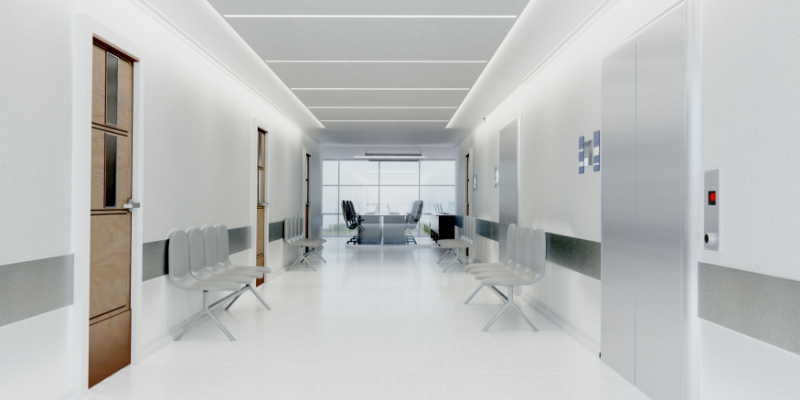
Healthcare facility planning that prioritizes compliance creates measurable competitive advantages through strategic space allocation and workflow optimization. These design elements generate returns through improved operational efficiency and enhanced patient experiences.
Patient room design significantly impacts facility profitability through length-of-stay metrics and patient satisfaction scores. Research demonstrates that surgical patients with window views of natural elements versus urban environments experience shorter hospital stays—7.96 days compared to 8.70 days—and require fewer pain medications. This difference translates to measurable cost savings and improved bed turnover rates.
Workflow zone separation provides both compliance benefits and operational advantages. Healthcare design requirements mandate clearly defined ‘clean’ and ‘dirty’ workflow zones with standardized sink placement and equipment positioning. These requirements, when properly implemented, reduce staff movement inefficiencies and minimize cross-contamination risks that could trigger costly infection control protocols.
Space planning for growth prevents costly relocations and expansion projects. Facilities designed for 3-5 year growth trajectories accommodate increased patient volumes, additional services, and expanded staff requirements without major infrastructure modifications. This forward-planning approach protects initial design investments and maintains operational continuity during growth phases.
Waiting area design directly influences patient satisfaction scores and repeat visit rates. Patients form judgments about care quality based on environmental factors before clinical interactions begin. Comfortable seating, appropriate privacy levels, and organized layouts create positive first impressions that support patient retention and referral generation.
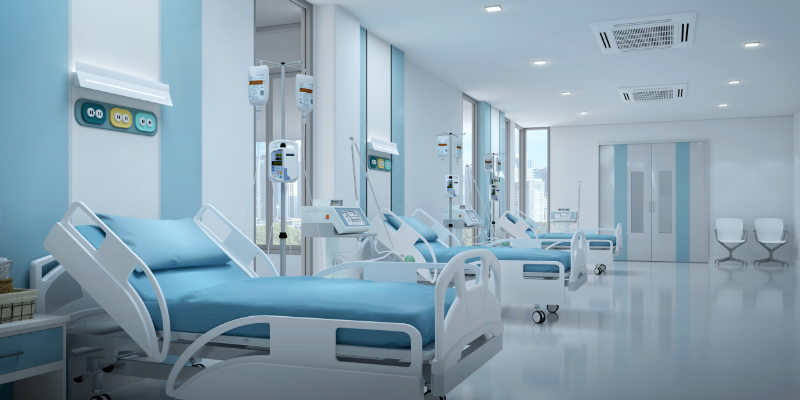
Infection prevention represents one of the most critical areas where compliance-driven design delivers measurable ROI through risk mitigation and operational cost reduction. Environmental design decisions directly influence infection transmission rates and associated costs.
Healthcare facility design must address contamination control through physical layout, cleaning protocols, and material selection. Surfaces, furnishings, and finishes require specific characteristics: smooth, nonporous, seamless construction that prevents microbial survival and allows effective disinfection with hospital-grade cleaning products.
HVAC system design plays a central role in infection prevention. Proper ventilation systems require HEPA filtration, pressure-controlled rooms, and appropriate air handling protocols. Positive pressure rooms protect immunocompromised patients, while negative pressure isolation rooms contain infectious agents. During the COVID-19 pandemic, hospitals with advanced ventilation systems demonstrated measurable improvements in infection control outcomes compared to facilities with basic air handling.
High-touch surface management reduces contamination risks through strategic material selection and placement. Healthcare-associated pathogens survive on surfaces for extended periods, making surface design choices critical for infection prevention. Risk stratification protocols determine cleaning frequencies: high-risk areas require cleaning after each procedure and twice daily, while moderate-risk zones need daily cleaning cycles.
Negative pressure room design provides specialized containment for infectious disease management. These rooms include anteroom barriers, self-closing interlocking doors, and pressure monitoring systems with alarm capabilities. The anteroom controls contaminated air flow and provides PPE preparation space, while specialized HEPA filtration and UV irradiation treat exhausted air before environmental release.

Healthcare facilities that integrate compliance requirements into initial design achieve superior operational efficiency through standardized workflows and optimized resource allocation. These efficiencies create competitive advantages that compound over time.
Standardized design elements reduce staff learning curves when working across multiple locations or departments. Clinicians operating in facilities with consistent ward layouts, operating theater configurations, and support area designs maintain productivity levels without location-specific adaptation periods. This consistency supports better care delivery and reduces operational inefficiencies.
Equipment integration becomes more cost-effective when compliance requirements guide initial space planning. Medical equipment installation, electrical load management, and specialized ventilation needs integrate seamlessly into properly designed spaces. Retrofit installations in non-compliant facilities often require expensive infrastructure modifications and temporary service disruptions.
Waste management system design prevents compliance violations while optimizing operational workflows. Proper segregation, containment, and disposal systems require strategic container placement at point-of-generation locations. Sealed, tamper-proof containers that minimize touchpoints and prevent overfilling maintain OSHA and CDC compliance while reducing staff exposure risks and operational inefficiencies.
Construction productivity improvements result from compliance-first design approaches. Standardized frameworks accelerate design processes, improve documentation quality, and streamline regulatory reviews. These efficiencies reduce project timelines and costs while minimizing change orders and rework requirements that commonly arise from compliance conflicts discovered during construction.

Modern healthcare design standards accommodate technological advancement through flexible infrastructure and adaptable space configurations. Compliance-first planning creates technology-ready environments that adapt to evolving care delivery models without major renovation requirements.
Virtual design validation reduces physical mock-up costs and accelerates approval processes. Computer Aided Virtual Environment (CAVE) systems allow stakeholders to experience and refine designs digitally, saving time and resources while ensuring compliance requirements are met before construction begins. This technology-driven approach reduces costly design changes and improves project predictability.
Electrical and data infrastructure planning becomes critical as healthcare technology evolves. Compliance requirements now include provisions for advanced medical equipment, electronic health record systems, and telemedicine capabilities. Facilities with robust infrastructure adapt to technological changes without expensive rewiring or structural modifications.
Modular design approaches allow facilities to reconfigure spaces as care models evolve. While compliance standards provide consistent frameworks, facilities can differentiate through service delivery models, technology adoption, and brand identity expression within approved parameters. This flexibility protects long-term facility investments while maintaining regulatory compliance.

Healthcare operators building investment cases for compliance-first interior design can quantify returns through multiple financial metrics that demonstrate clear business value beyond basic regulatory adherence.
Project timeline acceleration provides immediate financial benefits through faster revenue generation and reduced carrying costs. Standardized compliance approaches reduce design and approval timelines by approximately 30%, allowing facilities to begin operations months earlier than traditional approaches. This timeline compression directly translates to earlier revenue realization and reduced construction financing costs.
Operational cost reductions accumulate through improved efficiency and reduced compliance risks. Facilities designed with proper infection control measures, workflow optimization, and staff efficiency considerations consistently demonstrate lower operational costs per patient served. These savings compound annually and often exceed initial design investment premiums within the first operational year.
Revenue protection through compliance prevents costly service interruptions, regulatory penalties, and reputation damage that affect long-term profitability. The cost of compliance violations—including stop-work orders, required demolitions, and licensing complications—far exceeds initial investments in proper design planning.
Patient satisfaction metrics directly correlate with facility design quality and compliance standards. Higher satisfaction scores support premium pricing, improved insurance reimbursements, and stronger referral networks that drive sustainable revenue growth. Studies consistently show patients evaluate facilities based on environmental factors before clinical interactions, making design quality a competitive differentiator.
Healthcare interior design success requires viewing compliance not as a cost center but as a strategic investment that drives operational excellence and financial performance. Medical facilities that prioritize regulatory requirements during initial design phases consistently achieve superior returns through reduced costs, improved efficiency, and enhanced patient outcomes. The evidence clearly demonstrates that compliance-first planning delivers measurable ROI while creating sustainable competitive advantages in the healthcare market.
Compliance-first medical facility design typically allocates 3-5% of total renovation costs to permits and professional fees, while facilities attempting to achieve compliance after construction face costs exceeding 15-20% of the original budget through required modifications and delays.
Facilities following standardized compliance frameworks complete construction approximately 30% faster than traditional bespoke approaches, reducing project timelines from 10 years to approximately 7 years for major hospital developments.
Research shows that targeted prevention steps through proper design can decrease specific healthcare-associated infections by over 70%. Key elements include HEPA filtration systems, proper pressure-controlled rooms, standardized sink placement, and clearly defined clean/dirty workflow zones.
Studies demonstrate that surgical patients in rooms with natural views experience shorter hospital stays (7.96 days versus 8.70 days) and require fewer pain medications, leading to measurable cost savings and improved bed turnover rates that directly impact revenue generation.
Healthcare projects requiring multiple authority approvals typically take 6-12 weeks when compliance requirements are addressed simultaneously during design phases, compared to potentially months of delays when using sequential approval approaches.


