


 When Millbrook Country Club’s board reviewed their 2022 financial statements, the numbers told a story of stagnation. Monthly membership revenue hovered around $200,000 — barely covering operational costs. Fast forward 18 months after a strategic commercial renovationfocused on revenue optimization, and monthly membership revenue reached $440,000. This wasn’t luck or market timing. It was the result of a calculated investment in spaces that directly drive financial performance.
This comprehensive financial analysis breaks down exactly how strategic space design generated a documented 120% revenue increase, providing a blueprint for country club operators seeking measurable returns on renovation investment.

Millbrook’s fundamental metrics appeared healthy on the surface. The club maintained 450 members with a respectable 92% retention rate. Operating costs remained controlled at $165,000 monthly. However, deeper financial analysis revealed critical performance gaps limiting revenue potential.
The revenue structure heavily favored low-tier memberships. Social and dining members comprised 75% of membership at $400 monthly dues, while Full Golf members — valued at $1,500 monthly — represented only 15% of the member base. With Full Golf members generating 3.75 times more revenue per slot than Social members, this distribution severely constrained monthly revenue potential.
Member utilization patterns compounded the problem. The existing dining room accommodated only 45 guests simultaneously, creating bottlenecks during peak periods. Golf members frequently left the premises after rounds rather than staying for meals or drinks, resulting in average spend per visit of just $65. The club’s Membership Revenue per Member (MRPM) of $5,340 annually fell significantly below the industry benchmark of $9,780 for comparable facilities.
Labor costs consumed 42% of revenue — exceeding the recommended threshold of 40% — while the Fixed Cost Coverage Ratio of 1.21 barely cleared the minimum 1.0 requirement for operational stability. These metrics indicated a club generating sufficient revenue to survive, but insufficient revenue to thrive or reinvest in member experience improvements.
Rather than pursuing cosmetic updates, Millbrook‘s renovation strategy targeted spaces with the highest revenue generation potential. The investment totaled $485,000, allocated across three primary areas based on financial impact analysis.
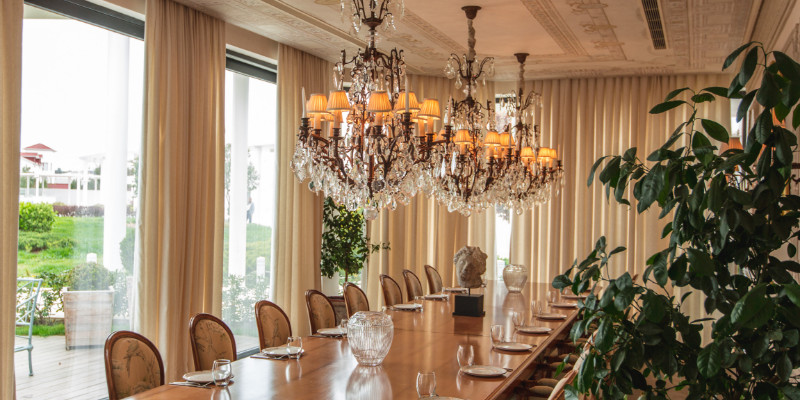
The largest investment — $285,000 — restructured the dining and bar areas to accommodate 85 guests simultaneously, nearly doubling capacity. More importantly, the redesign created natural circulation patterns encouraging golfers to flow directly from the pro shop through a prominent bar area before accessing locker rooms.
The bar received particular attention, expanding from 12 to 24 seats with premium finishes and a display kitchen concept. Industry data shows bar and beverage facilities carry higher margins than other food service segments, making this expansion strategically valuable for profitability.
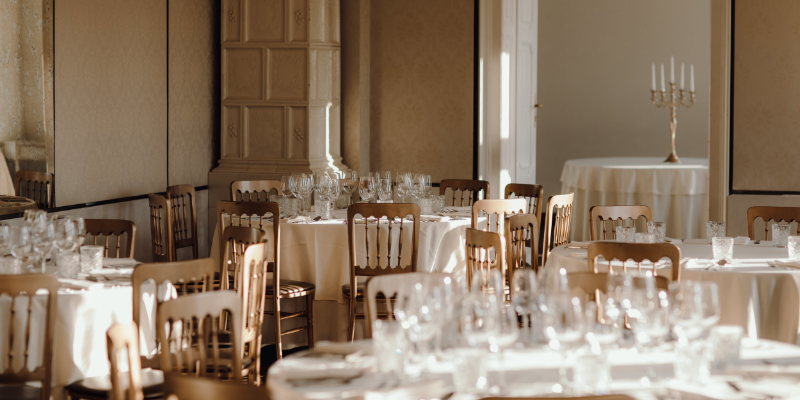
A $125,000 investment converted underused storage and meeting areas into a dedicated 40-person private dining room. This space targeted the corporate entertainment market, enabling the club to host business meetings, celebrations, and small corporate events during traditionally slow weekday periods.
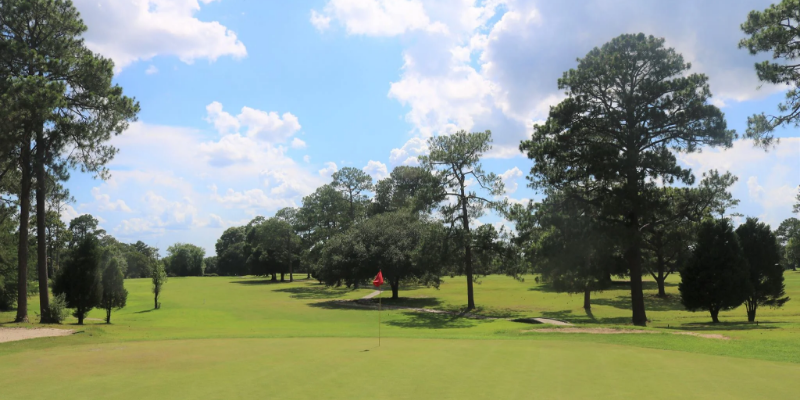
The remaining $75,000 focused on improved connectivity between golf facilities and dining areas, including an outdoor patio expansion and enhanced golf cart staging areas that encouraged post-round socializing.
Construction occurred during the club’s traditional low season (January through March), minimizing member disruption and revenue loss. The phased approach prioritized revenue-generating spaces first, with the expanded bar operational by mid-February and the full dining room ready for peak season.
Project management emphasized cost control throughout the process. A dedicated contingency of 12% absorbed change orders and unforeseen conditions, while value engineering identified cost savings maintaining functional performance. For example, reusing existing HVAC infrastructure in the bar expansion saved $35,000 compared to full system replacement.
The renovation’s financial impact became measurable within six months, with sustained performance improvement continuing through the following year.

Monthly membership revenue increased from $200,000 to $440,000 over 18 months, representing the targeted 120% growth. This improvement resulted from two primary factors: membership tier migration and improved retention among high-value members.
Full Golf membership enrollment increased from 15% to 28% of total membership, while Social/Dining membership decreased correspondingly. Each successful tier migration generated an additional $1,100 monthly revenue per converted member. With 58 members upgrading during the measurement period, tier migration alone contributed $63,800 in additional monthly revenue.
Member retention improved significantly among Full Golf members, increasing from 91% to 96% annually. Retaining five additional high-value members yearly prevented $90,000 in annual revenue loss while avoiding Customer Acquisition Costs of $4,000 per replacement member.

Average spend per visit increased from $65 to $115, a 77% improvement directly attributed to enhanced dining and bar facilities. The expanded bar generated $45,000 monthly revenue compared to $18,000 previously, while food service revenue increased from $38,000 to $67,000 monthly.
Private event bookings generated $12,000 monthly average revenue in the first year, representing entirely new income stream. Corporate groups particularly valued the dedicated private dining space, with booking rates reaching 60% during weekday lunch periods.

Labor cost percentage improved from 42% to 36% of revenue despite maintaining equivalent staffing levels. The redesigned kitchen and service flow reduced average meal preparation time by 18%, while the expanded bar enabled one bartender to serve the increased guest count effectively.
Energy costs decreased 8% annually through efficient equipment and lighting systems, saving $14,400 yearly. These operational improvements contributed an additional $52,000 annually to net operating income beyond direct revenue increases.
The renovation’s return on investment exceeded initial projections across multiple measurement periods.
Within 12 months, additional monthly revenue of $240,000 generated $2,880,000 increased annual revenue. After accounting for variable costs of 15%, net additional revenue totaled $2,448,000. Against the $485,000 investment, this represents a 505% first-year return on investment.
The membership tier improvements generate ongoing value well beyond the first year. Each Full Golf member upgrade contributes $13,200 additional annual revenue with average member tenure of 8.5 years. The 58 successful tier migrations represent $6,163,200 in additional lifetime value against the renovation investment.
Customer Acquisition Cost improvements provide additional ROI. The enhanced facilities enabled the club to justify premium pricing while improving member satisfaction scores from 7.2 to 8.7 out of 10. Higher satisfaction directly correlates with reduced churn risk and increased referral rates, reducing future acquisition costs.
Independent appraisal conducted 18 months post-renovation valued the club facilities at $1.2 million above pre-renovation levels. This represents a 247% return on invested capital from property value appreciation alone, separate from operational performance improvements.

Millbrook’s transformation validates several critical principles for revenue-focused renovation strategies.
Investment allocation should prioritize revenue-generating spaces over operational areas when growth is the primary objective. The bar expansion generated 312% ROI within 12 months, while the private event space achieved 198% ROI. These returns significantly exceeded typical industry averages for general facility improvements.
Membership tier migration delivers exponentially higher returns than membership growth. Converting existing Social members to Full Golf status generated 3.75 times more revenue per successful conversion than acquiring new Social members, while requiring significantly lower marketing investment.
Operational efficiency improvements compound revenue gains by improving profit margins on increased sales volume. The labor cost percentage improvement contributed an additional $158,000 annually beyond direct revenue increases, demonstrating how strategic design can optimize both revenue and costs simultaneously.
Timeline considerations prove crucial for ROI optimization. Completing revenue-generating spaces first enabled partial returns during construction, while scheduling around seasonal patterns minimized disruption costs. The February bar opening generated $135,000 revenue during typically slow months, partially offsetting construction period impacts.
The private event capability created entirely new revenue streams rather than simply increasing existing ones. This diversification improved financial stability while accessing higher-margin corporate entertainment spending, reducing reliance on individual member consumption patterns.
Country club operators seeking similar results should focus renovation investment on spaces that directly influence member spending behavior, tier upgrade decisions, and retention rates. The most successful renovations treat space design as revenue optimization rather than aesthetic improvement, measuring success through financial metrics rather than visual appeal.
This case study demonstrates that strategic renovation investment can generate extraordinary financial returns when properly planned and executed with revenue optimization as the primary objective. The key lies in treating space design decisions as business investments, measuring potential returns, and prioritizing areas with the highest revenue generation potential.
Ready to identify similar revenue optimization opportunities for your club? Request a Space Performance Analysis to discover how strategic design decisions can transform your financial performance and justify premium positioning in your market.
The transformation focused on membership tier migration and increased spending per visit rather than membership growth. By converting 58 members from Social ($400 monthly) to Full Golf status ($1,500 monthly), and increasing average spend per visit from $65 to $115 through improved dining and bar facilities, the club generated substantial revenue increases from the existing member base.
The total investment was $485,000, allocated across dining space expansion ($285,000), private event space creation ($125,000), and golf amenity integration ($75,000). The investment generated a 505% first-year return, effectively paying for itself within 2.4 months based on the additional monthly revenue of $240,000.
The bar expansion delivered the highest ROI at 312% within 12 months, increasing monthly revenue from $18,000 to $45,000. The private event space achieved 198% ROI by creating an entirely new revenue stream averaging $12,000 monthly. These spaces outperformed general facility improvements because they directly influenced member spending behavior.
Despite increased revenue and facility capacity, operational efficiency actually improved. Labor costs decreased from 42% to 36% of revenue through better workflow design, while energy costs dropped 8% annually through efficient systems. These improvements contributed an additional $52,000 annually to net operating income beyond direct revenue increases.
Construction timing proved crucial for ROI optimization. The work occurred during low season (January-March) to minimize member disruption, while prioritizing revenue-generating spaces enabled the bar to open by mid-February, generating $135,000 during typically slow months. This approach partially offset construction period impacts while maximizing peak season readiness.


