


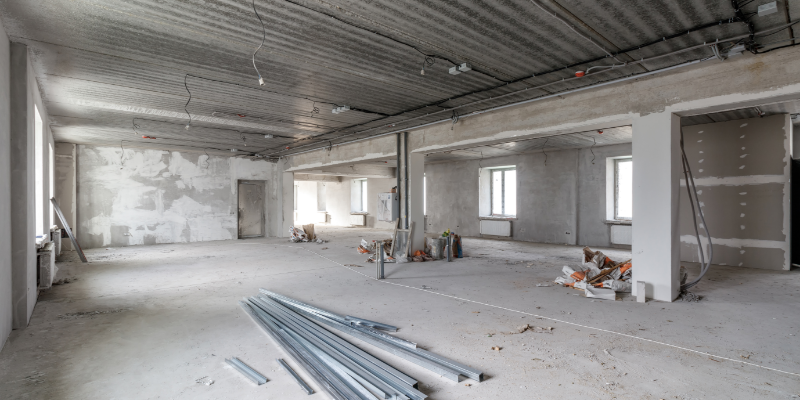
 Commercial renovation in Singapore requires careful navigation of complex regulatory requirements, especially for healthcare facilities where compliance failures can result in significant penalties and operational delays. Understanding the permit process, regulatory requirements, and penalty prevention strategies helps facility managers avoid costly mistakes while ensuring full compliance with Singapore’s strict building standards.
This guide addresses the most frequently asked questions about commercial renovation permits, with specific focus on healthcare facility regulations and strategies to prevent compliance penalties.

Commercial renovation projects in Singapore require multiple permits depending on the scope and facility type. Most projects need Building and Construction Authority (BCA) approval for structural work and building system modifications, Singapore Civil Defence Force (SCDF) fire safety clearance, and Management Corporation Strata Title (MCST) approval from building management.
Healthcare facilities face additional requirements including Ministry of Health (MOH) clinic licenses, National Environment Agency (NEA) approval for specialized facilities, and radiation safety approval for medical equipment. The permit timeline varies significantly by project complexity – simple office renovations take 3-6 weeks total, while healthcare facility projects require 6-12 weeks due to multiple authority requirements.
Budget allocation should account for 3-5% of total renovation cost for permits and professional fees. Simple projects typically cost S$3,000-8,000 in permit fees, while complex healthcare renovations can exceed S$25,000 in regulatory compliance costs.
BCA processes commercial renovation applications within specific timeframes based on project complexity. Simple addition and alteration works receive approval in 2-3 weeks, while complex projects requiring detailed review take 4-6 weeks. The BCA evaluates submissions within 14 working days for straightforward projects, issuing approval, approval with conditions, or requests for additional information.
All office fit-out works exceeding S$30,000 in contract value require BCA approval through the CORENET e-Submission system. The process begins with engaging a qualified person (QP) – typically a registered architect or professional engineer – responsible for design compliance and submission. Knowing how to find a BCA approved contractor ensures you engage professionals who are already familiar with CORENET submissions and qualified person requirements.
Complex projects may require multiple submission cycles, extending approval timelines by 4-8 weeks. Organizations should initiate BCA submissions early in the project timeline, ideally 8-10 weeks before targeted construction commencement to avoid delays.
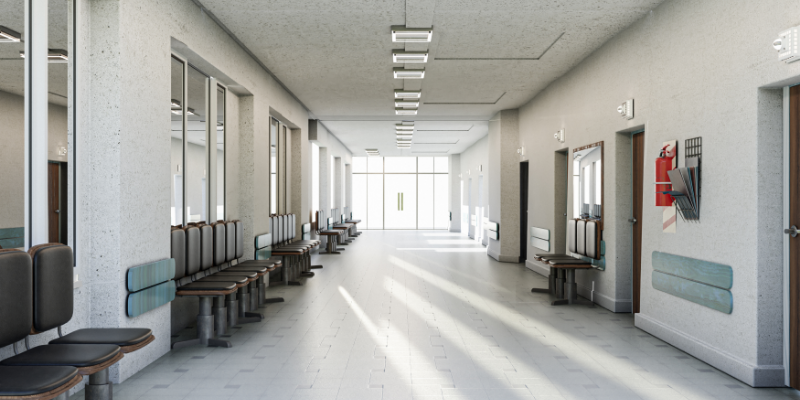
Healthcare facility renovations require the most comprehensive permit portfolio in Singapore’s commercial sector. Beyond standard BCA building plan approval and SCDF fire safety clearance, medical facilities need MOH clinic licensing, NEA approval for specialized environmental systems, and compliance verification for accessibility standards.
Medical equipment installations require separate permits, particularly for radiation-emitting devices. Specialized HVAC systems must receive clearance for infection control compliance, while waste management systems need environmental approval. Any changes affecting fire protection systems require SCDF submission through licensed fire safety engineers holding appropriate Professional Engineers Board registration.
Healthcare renovations must follow strict infection control guidelines throughout the permit process. Singapore hospitals often require infection control teams to validate environmental controls during regulatory review, adding 2-4 weeks to standard approval timelines.
The phased approval approach works best for healthcare facilities, prioritizing areas with minimal impact on clinical services like administrative zones, meeting rooms, or back-of-house corridors while maintaining operational continuity.

Unauthorized renovation work in Singapore triggers severe penalties that escalate quickly. Initial violations result in stop-work orders that halt all construction activity until proper permits are obtained. Fines can reach S$20,000 for serious compliance violations, with repeat offenders facing higher penalties.
Beyond immediate fines, unauthorized work creates long-term complications including requirements to demolish non-compliant construction, difficulties with insurance claims during property damage incidents, and complications during property sales when buyers discover permit violations.
For healthcare facilities, unauthorized work can trigger MOH investigation and potential license suspension, creating operational shutdowns that cost thousands daily in lost revenue. Contractors accumulate demerit points for repeated violations, potentially facing suspension from approved contractor directories.
The Building and Construction Authority maintains strict enforcement protocols. Rectifying violations discovered during final inspection creates costly delays of 2-4 weeks beyond original project timelines, plus professional fees for redesign and resubmission.
Singapore’s commercial renovation oversight involves multiple specialized authorities with distinct processing timelines. The Building and Construction Authority handles structural modifications, building system changes, and overall building code compliance with 2-4 week processing times.
The Singapore Civil Defence Force manages fire safety clearances, emergency exit compliance, and fire protection system modifications, typically processing applications within 1-3 weeks. Any work affecting fire-rated compartmentation or exit path widths requires SCDF approval. For a complete breakdown of what this process involves, our guide to obtaining the SCDF Fire Safety Certificate for offices in Singapore walks through every step from submission to final inspection.
The National Environment Agency oversees food establishment licensing for restaurants and cafes, environmental permits for specialized facilities, and waste management system approval. NEA processing takes 2-4 weeks for most commercial applications.
For healthcare facilities specifically, the Ministry of Health handles clinic licensing and medical facility compliance verification. Building management through MCST provides local approval typically processed within 1-2 weeks, while Urban Redevelopment Authority manages change of use permits when facility purpose changes significantly.

Permit costs vary significantly by authority and project complexity. BCA building plan approval ranges from S$200-1,000 depending on project size and complexity. SCDF fire safety clearance costs S$100-500, while NEA food establishment licenses range from S$195-330 for restaurant projects.
Professional fees represent the largest permit-related expense. Qualified Person architect services cost S$2,000-8,000, structural engineering ranges from S$1,500-5,000, and MEP engineering requires S$1,000-4,000. Fire safety consultants charge S$800-3,000, with project coordination adding S$1,000-3,000.
Urban Redevelopment Authority change of use permits cost S$300-1,500 when facility purpose changes significantly. MCST approval fees are typically minimal at S$50-300, representing building management administrative costs rather than regulatory compliance.
Healthcare facilities face additional costs for specialized permits including medical equipment installation clearances, radiation safety approvals, and infection control system verification. These specialized permits can add S$5,000-15,000 to standard permit costs.

Early authority consultation during the design phase prevents most compliance issues that cause permit delays. Engaging experienced qualified persons familiar with Singapore’s permit processes reduces submission errors and resubmission cycles that extend timelines by weeks.
Submitting to multiple authorities simultaneously where possible compresses the overall approval timeline. While some permits depend on others, many approvals can proceed in parallel with proper coordination.
Complete documentation submission prevents the most common delay cause. Missing drawings, incomplete calculations, or absent professional endorsements trigger automatic resubmission requirements. Maintaining detailed compliance documentation throughout the project supports both permit applications and future inspections.
For healthcare facilities specifically, involving infection control teams during initial planning ensures environmental control systems meet regulatory requirements before submission. This prevents costly redesign when compliance issues emerge during review.
Code non-compliance represents another major delay source requiring significant modifications and resubmissions. Professional pre-submission review by experienced consultants identifies compliance gaps before official submission, saving weeks in approval timelines.
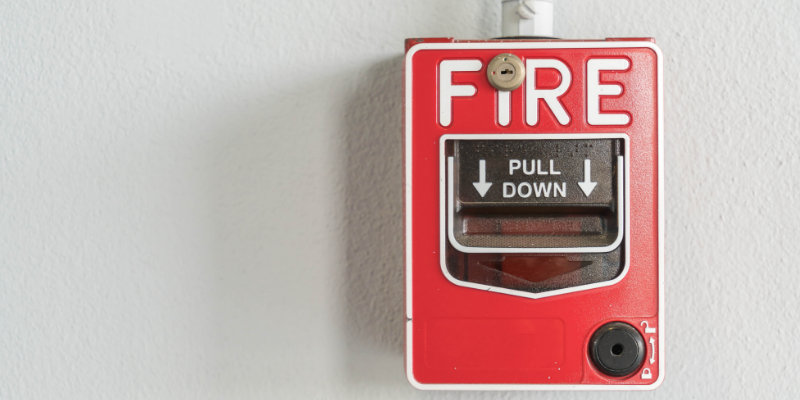
Fire safety compliance represents a critical component of commercial renovation permits in Singapore. The Singapore Civil Defence Force requires maintenance of fire-rated compartmentation throughout renovation work, with any breaches properly sealed and restored to original fire ratings.
Exit path maintenance mandates minimum 1,200mm clear widths along all escape routes, with emergency lighting providing minimum 1 lux illumination. Fire extinguisher placement must maintain 15-meter maximum travel distances from any point within the facility.
Healthcare facilities face additional fire safety complexity due to patient mobility limitations and specialized equipment. Emergency evacuation procedures must account for patients requiring assistance, while fire protection systems cannot be compromised during renovation phases.
Any modifications to fire protection systems require professional fire safety engineer certification and SCDF approval before implementation. Common violations that trigger penalties include blocking fire exits with construction materials, installing locks on emergency doors without proper panic hardware, and compromising fire-rated walls with unsealed cable penetrations.
The final SCDF inspection occurs before Temporary Occupation Permit issuance, with violations discovered at this stage creating 2-4 week delays and potential penalties up to S$20,000.
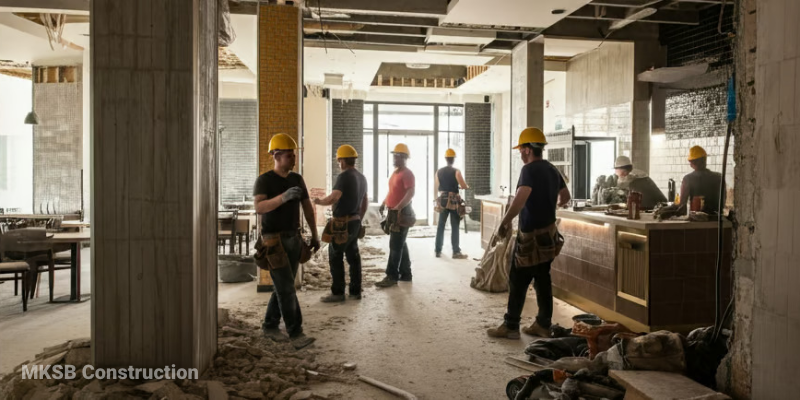
Restaurant and food service facility renovations require the most comprehensive permit portfolio among commercial property types. Beyond standard building permits, F&B facilities need NEA food establishment licensing, specialized exhaust system approval, and outdoor dining permits where applicable.
SCDF fire safety clearance for restaurants includes specific requirements for kitchen fire suppression systems, cooking equipment ventilation, and emergency exits sized for customer capacity. BCA approval must account for increased occupancy loads and specialized utility requirements.
Additional permits may include liquor licensing from the Singapore Police Force, entertainment licensing for venues with live music or performances, and specialized permits for outdoor seating areas. These permits often require coordination between multiple authorities with different approval timelines.
The total permit timeline for restaurant renovations extends 6-12 weeks due to the multiple authority requirements. Exhaust system approval from NEA typically requires detailed engineering drawings and equipment specifications, while food establishment licensing involves site inspections before final approval.
Budget allocation for F&B permit costs should account for the comprehensive regulatory requirements, with total permit and professional fees often exceeding S$15,000 for full-service restaurants.

Starting renovation work before obtaining required permits triggers immediate enforcement action from Singapore authorities. Stop-work orders halt all construction activity until proper permits are obtained and approved, creating project delays of several weeks minimum.
The violation creates a formal compliance record that affects future permit applications and contractor evaluations. For healthcare facilities, unauthorized work can trigger Ministry of Health investigation and potential operational license review, threatening facility operations beyond the construction project.
Insurance coverage may be compromised for unauthorized work, creating liability exposure if accidents or damage occur during non-compliant construction. Property sale complications arise when buyers discover permit violations during due diligence, potentially affecting transaction completion.
Contractors face demerit point accumulation for permit violations, with repeat offenders potentially suspended from approved contractor directories. This is exactly why knowing how to choose the right office renovation contractor in Singapore matters — vetting your contractor’s compliance track record before signing protects your project from inherited regulatory risks.
However, permit-free activities can proceed while awaiting approvals, including furniture installation, equipment setup that doesn’t require building modifications, and planning activities that don’t involve construction work.
The regulatory compliance rule in Singapore is absolute: renovation work affecting building structure, systems, or safety cannot commence without proper permits, but preparatory activities remain permissible.
Understanding Singapore’s commercial renovation permit requirements helps facility managers avoid costly compliance failures while ensuring projects proceed efficiently through the regulatory approval process. Healthcare facilities face the most complex requirements, but proper planning and expert guidance prevent delays and penalties that disrupt operations and increase costs.
Worried about permit delays or compliance penalties? Schedule a free 30-minute consultation with our regulatory experts to ensure your commercial renovation project meets all Singapore compliance requirements from day one.
Permit timelines vary by project complexity and facility type. Simple office renovations require 3-6 weeks total for all approvals, retail fitouts need 4-8 weeks, while healthcare facilities require 6-12 weeks due to multiple authority requirements including MOH, NEA, BCA, and SCDF approvals.
The primary authorities are Building and Construction Authority (BCA) for building compliance, Singapore Civil Defence Force (SCDF) for fire safety, National Environment Agency (NEA) for environmental permits, and Management Corporation Strata Title (MCST) for building management approval. Healthcare facilities also require Ministry of Health (MOH) licensing.
Penalties include immediate stop-work orders, fines up to S$20,000 for serious violations, requirements to demolish non-compliant work, insurance claim complications, and property sale difficulties. Healthcare facilities face additional risks including MOH investigation and potential license suspension.
Total permit and professional fees typically represent 3-5% of renovation costs. Simple projects cost S$3,000-8,000 while complex healthcare renovations can exceed S$25,000. Individual authority fees range from S$100-1,500, with professional consultant fees representing the largest expense at S$5,000-20,000.
Fire safety compliance requires maintaining fire-rated compartmentation, minimum 1,200mm exit path widths, emergency lighting providing 1 lux minimum illumination, and fire extinguisher placement within 15-meter travel distances. Any fire protection system modifications require SCDF approval through licensed fire safety engineers.


