


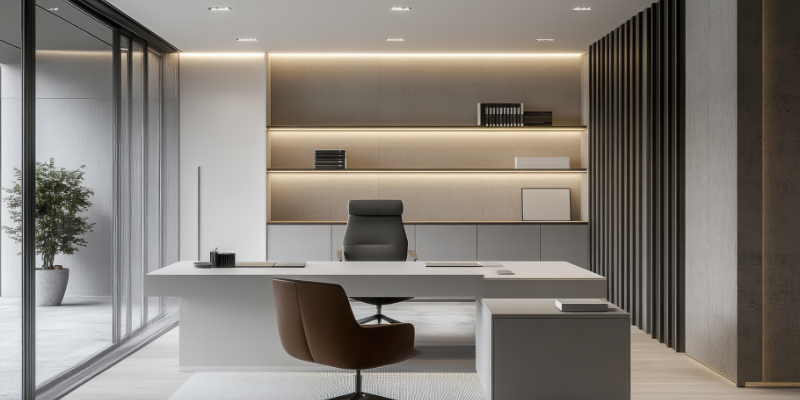
 Poor Singapore office design decisions create a cascade of hidden costs that silently drain business profitability for years. While companies focus on upfront renovation expenses, the real financial damage comes from operational inefficiencies, increased maintenance burdens, and productivity losses that compound monthly.
Research consistently shows that workplace design directly influences cognitive function, emotional engagement, and your bottom line. For Singapore businesses operating in one of the world’s most expensive commercial real estate markets, understanding these hidden costs is essential for protecting long-term profitability.

Most businesses calculate office renovation costs based on immediate expenses: materials, labor, and professional fees. However, the hidden operational costs of poor design decisions often exceed the initial investment within two years.
A typical 10,000 square foot Grade A fit-out in Singapore ranges from SGD 1.2-2.0 million upfront. But when design mistakes create ongoing operational inefficiencies, these same spaces can drain an additional SGD 300,000-500,000 annually through increased energy costs, maintenance issues, and productivity losses.
The following five hidden costs reveal how seemingly minor design oversights create major financial burdens for Singapore businesses.
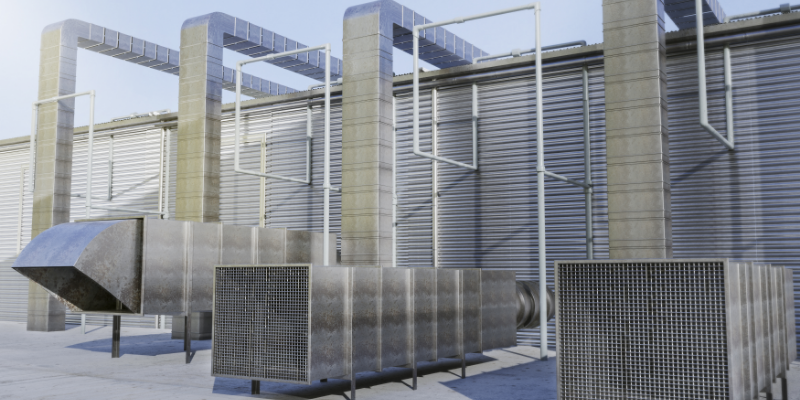
Building systems integration represents one of the most expensive hidden costs in Singapore commercial spaces. Poor coordination between architectural design and mechanical systems creates inefficiencies that compound for years.
Improper duct sizing forces HVAC systems to work harder to maintain desired temperatures. Small ducts restrict airflow, increasing energy consumption by 20-35% while accelerating equipment wear. This overworking reduces system lifespan and creates frequent maintenance issues.
Research shows that 42% of all commercial building energy waste traces back to poorly maintained HVAC equipment running outside design parameters. In Singapore’s climate, this inefficiency becomes particularly costly due to constant cooling demands.
Unplanned HVAC downtime in commercial buildings costs between SGD 15,000-70,000 per incident when accounting for emergency service rates, tenant disruption, and potential compliance violations. A single blocked drain on a rooftop unit can overflow into ceiling tiles, saturate insulation, and trigger mold growth with remediation costs reaching six figures.
Consider this actual case: Missing a quarterly coil cleaning led to compressor failure costing SGD 11,000 plus two days of tenant complaints. A 0.1-inch layer of dirt on condenser coils reduces cooling capacity by 30% while raising energy consumption by 35%.
Proper systems integration during initial design prevents these cascading failures. Planning for adequate maintenance access, correct duct sizing, and regular service schedules eliminates most preventable HVAC failures that destroy profitability.

Poor ergonomics contributes to musculoskeletal disorders, fatigue, and reduced productivity – all preventable through thoughtful space design. The financial impact extends far beyond obvious medical costs.
Studies show properly designed ergonomic workspaces improve productivity by 10-15% while reducing injury rates by 50% or more. Conversely, poor ergonomic design creates the opposite effect: measurable productivity losses that compound daily across your entire workforce.
Poor keyboard and mouse ergonomics commonly cause repetitive strain injuries including carpal tunnel syndrome. Noise represents a significant ergonomic stressor affecting concentration, stress levels, and productivity. Chronic noise exposure contributes to stress, fatigue, and cardiovascular issues beyond just preference concerns.
Poor air quality contributes to “sick building syndrome” with symptoms including headaches, fatigue, and respiratory irritation. Temperature control issues, inadequate ventilation, and humidity problems reduce employee performance and increase absenteeism.
Even optimal ergonomic design fails without proper use. Employees need training on ergonomic principles, equipment adjustment, posture awareness, and break-taking habits to realize design benefits.
Investing in quality chairs typically costs SGD 400-800 per chair but prevents discomfort and injury that costs far more in lost productivity and healthcare claims. The return on ergonomic investment becomes apparent within months through reduced workers’ compensation claims, lower absenteeism, improved work quality, and enhanced retention rates.
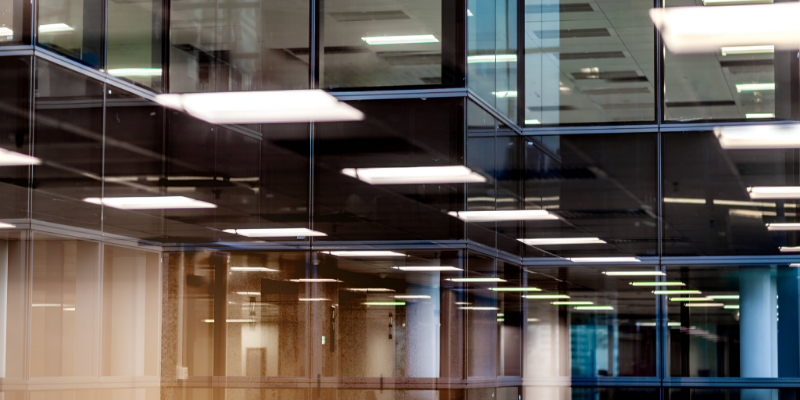
Singapore’s tropical climate and expensive electricity rates make energy efficiency crucial for controlling operational costs. Poor lighting and climate control design decisions create ongoing expense burdens that persist for years.
Insufficient natural light forces reliance on artificial lighting systems that consume energy continuously during business hours. Harsh fixtures or poor positioning reduce clarity and comfort, forcing employees to work harder while consuming more electricity.
Energy-efficient lighting requirements achieve minimum 50 lux per watt per square meter, readily achievable with LED systems reaching 80-100 lux per watt per square meter. However, poor design negates these efficiency gains through incorrect placement and inadequate natural light integration.
Oversized or undersized HVAC equipment leads to short cycling or insufficient heating and cooling. Lack of zoning causes some areas to be over-conditioned while others remain uncomfortable, wasting energy across the entire workspace.
Poor building envelope design with inadequate insulation, leaky windows, and insufficient sealing dramatically increases energy demand. These design oversights force mechanical systems to work constantly against environmental losses.
A well-designed HVAC system maintains comfortable temperatures efficiently, but design mistakes can increase energy consumption by 25-40% annually. For a 10,000 square foot Singapore office, this represents additional electricity costs of SGD 15,000-25,000 per year – money that flows directly from profitability to utility companies.
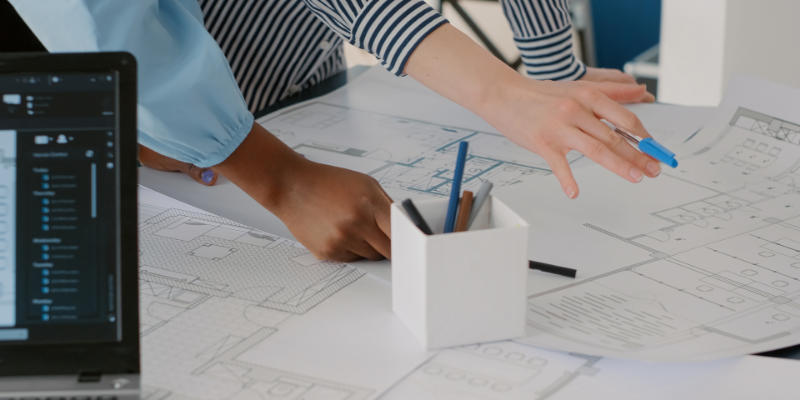
Poor material selection and layout planning create ongoing maintenance burdens that drain resources through increased cleaning costs, frequent repairs, and accelerated replacement cycles.
Choosing materials based on appearance rather than performance creates long-term maintenance problems. Surfaces that require specialized cleaning, show wear quickly, or need frequent replacement multiply maintenance costs over time.
Inadequate insulation in ducts, particularly in unconditioned spaces such as mechanical rooms or above ceiling areas, reduces overall system efficiency. This energy loss forces HVAC systems to work harder, increasing both energy bills and maintenance frequency.
Poor layout design makes routine maintenance more difficult and expensive. Insufficient access to equipment, ducts, and controls complicates servicing, prolongs downtime, and increases labor costs for basic maintenance tasks.
Cramped layouts also accelerate wear on finishes and fixtures due to increased traffic density and reduced maneuverability. This accelerated wear creates more frequent replacement cycles and higher material costs.
Commercial chillers, air handling units, and rooftop systems represent capital investments of hundreds of thousands of dollars. Every maintenance difficulty created by poor design shortens their operational life and increases service costs.
Buildings with structured preventive maintenance programs see 3x longer equipment lifespan versus reactive-only operations. However, poor design makes preventive maintenance more expensive and less effective, negating these longevity benefits.
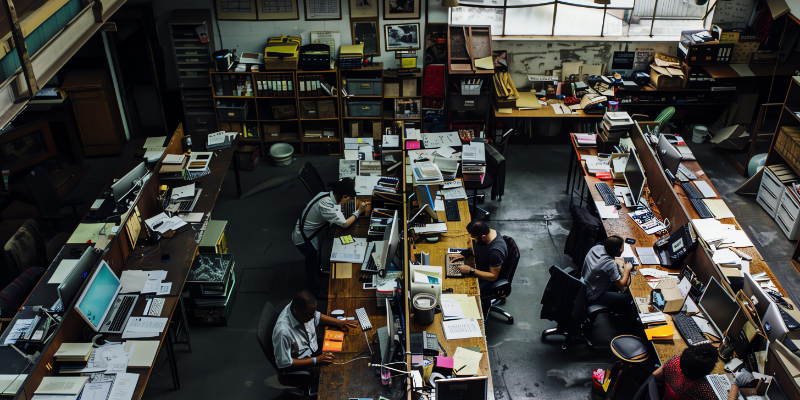
Singapore’s expensive real estate market makes space efficiency crucial for profitability. Poor space planning wastes expensive square footage while creating future reinstatement cost penalties.
Poor planning creates inefficient circulation routes, underutilized zones, and awkward layouts that waste expensive commercial real estate. In Singapore’s context of high real estate costs, every square foot of inefficient space directly impacts profitability.
Oversized desks and chunky chairs may look impressive, but they reduce walkable space and make offices feel cramped while consuming expensive square footage nonproductively. Nothing makes a space feel more cramped than clutter from poor storage solutions.
Poor initial design decisions create expensive reinstatement costs when leases end. Reinstatement pricing ranges from SGD 16-25 per square foot for specialist firms, but poor planning can increase costs to SGD 35-60 per square foot.
Typical security deposits are 3-6 months rent. For a 5,000 square foot Grade A office at SGD 8 per square foot, this puts SGD 120,000-240,000 at risk from poor reinstatement compliance.
Grade A buildings require 6-8 weeks total timeline for proper reinstatement. Inadequate planning leads to rush jobs under 2 weeks that incur 15-25% premiums while risking quality issues and building management rejection.
When reinstatement goes wrong, landlords can appoint their own contractors at additional charges plus extended rental costs if leases expire during reinstatement work.
These hidden costs compound over time, creating financial burdens that far exceed initial renovation investments. A poorly designed 10,000 square foot Singapore office can easily waste SGD 50,000-100,000 annually through energy inefficiency, maintenance problems, and productivity losses.
Over a typical 5-year lease term, these hidden costs total SGD 250,000-500,000 – enough to fund a complete redesign that eliminates the underlying problems. However, most businesses never connect these ongoing expenses to initial design decisions.
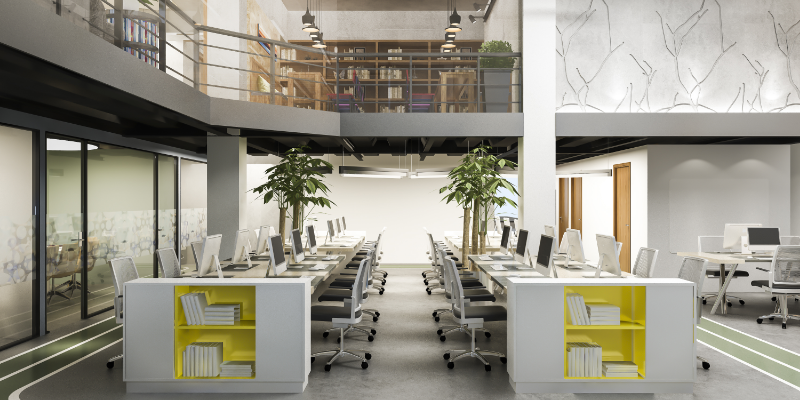
Preventing these hidden costs requires treating office design as a strategic business investment rather than an aesthetic exercise. This means prioritizing operational efficiency, energy performance, maintenance accessibility, and space optimization over purely visual considerations.
Professional design teams that understand Singapore’s commercial building requirements can identify and prevent these cost traps during initial planning. The investment in proper design expertise pays dividends through years of reduced operational expenses and improved business performance.
Businesses that view design through a total cost of ownership lens make decisions that protect profitability while creating productive work environments. This strategic approach positions design as a profit center rather than just an expense.
Get our Space Design Cost Impact Audit to uncover hidden expenses in your current workspace and discover specific opportunities to reduce operational costs while improving employee productivity and business performance.


