


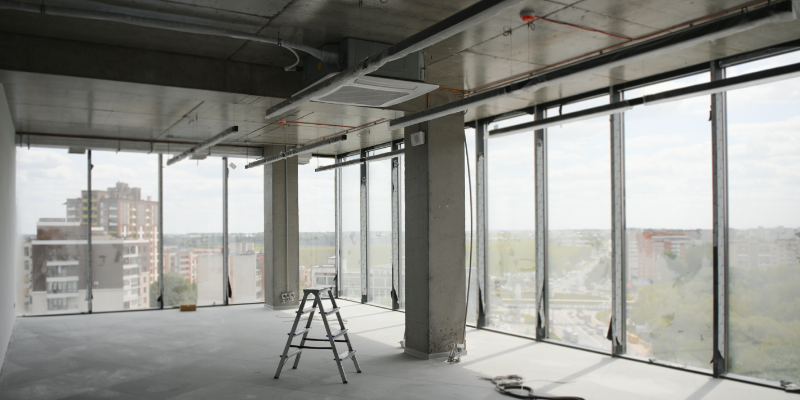
Is your office space holding your business back? An outdated, cramped, or uninspiring environment can quietly drain employee morale and productivity. You might feel it when top talent hesitates to join, or when the space just doesn’t reflect the dynamic company you’ve built. You know a change is needed, but the thought of a renovation—the disruption, the planning—can feel overwhelming.
What you need is a clear vision of what’s possible. Seeing real-world transformations helps you move from problem to solution. These before-and-after Singapore office renovation case studies show how a thoughtful redesign can solve core business challenges, creating workspaces that energize teams and drive growth. Let’s look at how strategic design turns outdated offices into powerful company assets.
Looking at office transformations is about more than just new furniture and a fresh coat of paint. It’s about seeing a story unfold. The “before” represents a set of problems: poor workflow, a lack of collaborative areas, or a design that no longer matches the company’s brand. The “after” is the solution—a space that works for its people.
A great renovation can:
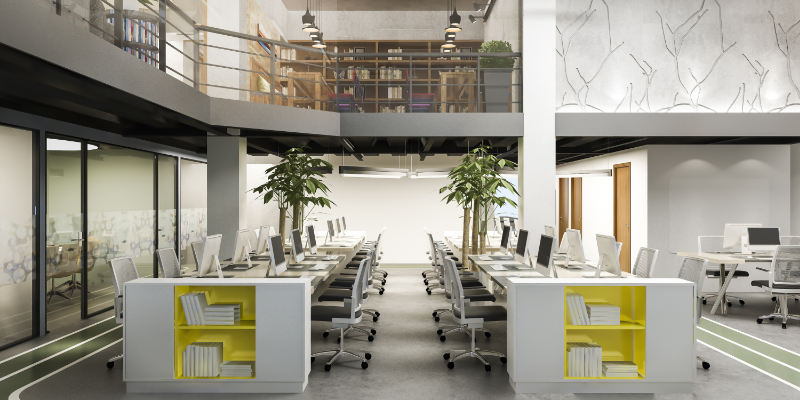
The “Before”: An Uninspired, Traditional Layout
Imagine a typical office with rows of cubicles and enclosed rooms. This was the starting point for
DayOne. The space felt disconnected and lacked the warmth and flexibility needed for a modern, forward-thinking team. It was functional but did little to inspire creativity or connection.
The Transformation: A Warm, Biophilic Approach
We reimagined the 7,130 sq ft office with a people-first mindset. The goal was to create a future-focused workspace that felt natural and welcoming. We introduced:
The “After”: A Thriving, Productive Environment The new DayOne office is a perfect example of a biophilic design that goes beyond just adding a few plants. It’s a complete ecosystem designed for well-being. The team now has the freedom to choose where and how they work, leading to higher satisfaction and productivity.
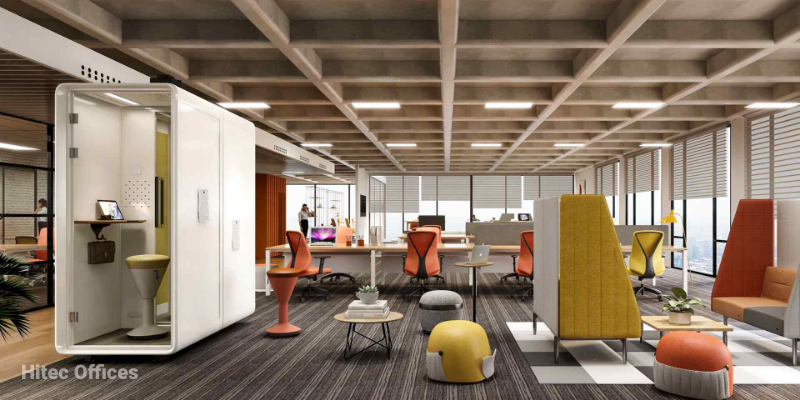
The “Before”: The Challenge of a High-Stakes Workplace
For a top-tier legal team like Walkers Global, the office must support intense, focused work while also allowing for seamless collaboration. Their old space struggled to provide both. It was difficult to find a quiet place to concentrate without feeling completely isolated from the team.
The Transformation: Refined Tranquility and Professionalism
Our design for this 11,100 sq ft renovation focused on creating a perfect balance. We didn’t just create open spaces; we engineered zones for different types of work. This involved:
The “After”: A High-Performance Legal Hub The result is a sophisticated workspace that feels both calm and connected. The design supports the high-stakes nature of legal work by providing tranquility and focus, while also making teamwork feel effortless. It’s a commercial interior design that directly enhances the firm’s operational excellence.
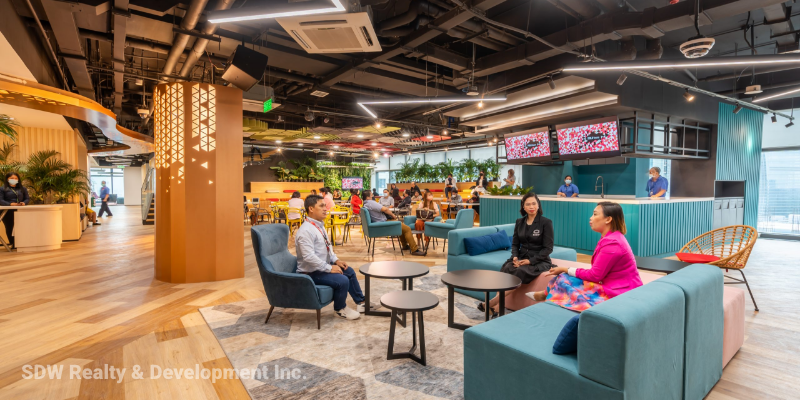
The “Before”: A Generic Office for a Specialized Company
SEACO, a global logistics company, had an office that didn’t reflect its powerful industrial identity. A generic corporate space failed to communicate the company’s strength and expertise in the maritime and logistics sector.
The Transformation: Embracing an Industrial Brand
We used the company’s core business as our design inspiration. Instead of hiding the industrial elements, we celebrated them. The design for their headquarters featured:
The “After”: A Headquarters with a Strong Identity The new SEACO headquarters is now a physical extension of its brand. It tells a story to every employee and visitor, creating a strong sense of purpose and pride. This project proves that office design can be a powerful tool for reinforcing brand identity.
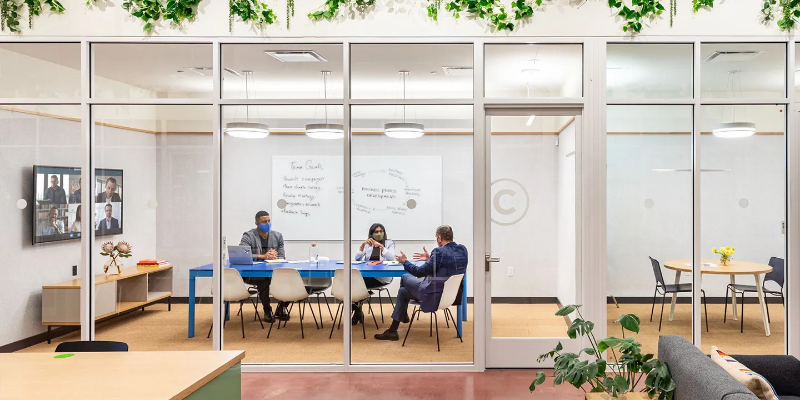
Across these projects, a few key trends in Singapore office renovation stand out. These are the elements that turn a good office into a great one.

Feeling inspired? A successful office renovation begins with a clear plan. Before you start, it’s important to define your goals. Are you trying to improve collaboration, attract new talent, or simply make better use of your space?
Involving your employees early in the process can provide valuable insights. A great renovation partner will help you navigate the entire process, from design and permitting to construction, ensuring work is completed with minimal disruption to your daily operations.
A successful office renovation is a journey from a space that limits you to one that empowers you. It’s about more than just aesthetics; it’s about creating an environment where your team and your business can thrive. These before-and-after stories show that with the right vision and partner, you can transform your workspace and build a foundation for future success.
Ready to start writing your company’s own transformation story? A well-designed office is one of the best investments you can make in your people and your brand.
Explore our services and portfolio to see how we support homeowners at every stage of their renovation journey.
Ready to take the next step? Contact us for a consultation and let’s turn your renovation ideas into a space that feels truly yours, while meeting all of Singapore’s housing requirements.


